
Nanomaterials for Water Remediation and Valorization
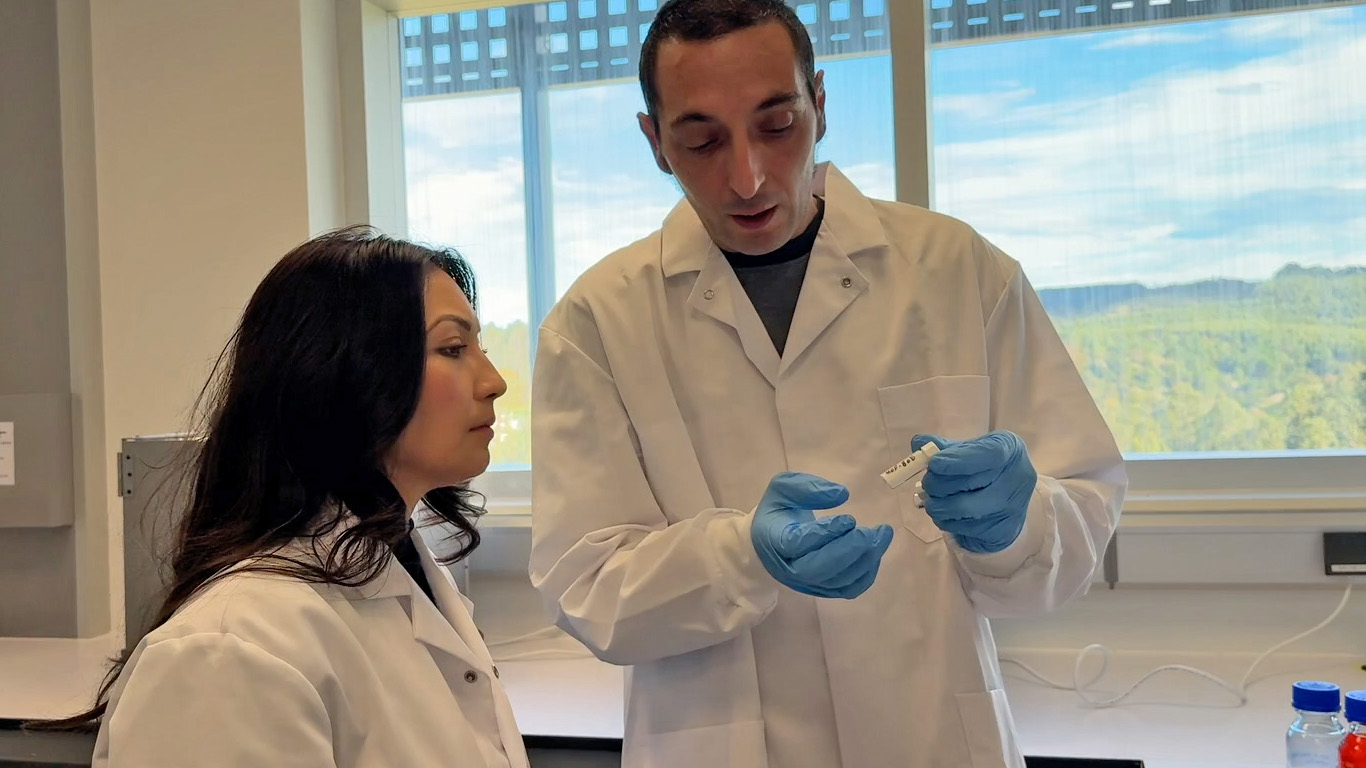
Scientific staff at BCMaterials are developing next-generation nanomaterials combined with naturally sourced polymer membranes for water decontamination and reuse. These advanced materials not only remove emerging contaminants—such as antibiotic-resistant bacteria—and heavy metals, including arsenic, but also enable the recovery of high-value critical elements for industry, such as rare earth elements, cobalt, and lithium.
This research forms part of two European projects, MERLIN and SELFAQUASENS, carried out in collaboration with several international partners. Both projects aim to develop membrane-based filtration systems made from naturally sourced polymers and functionalized with nanomaterials capable of degrading or adsorbing contaminants present in water.
Photocatalytic degradation
Within the MERLIN project, BCMaterials is developing membranes that harness sunlight to degrade emerging contaminants. According to Maibelín Rosales, the scientist leading the project, nanoscale engineering is used to design photocatalytic semiconductor materials based on abundant and low-cost metal oxides. These materials not only trigger chemical degradation processes but also generate heat by absorbing solar energy, thereby accelerating the conversion of contaminants into clean water. This technology represents a major advance in tackling a critical public health challenge, as antimicrobial resistance currently causes around 35,000 deaths per year in Europe—a figure expected to rise significantly in the coming decades.
Adsorption using metal–organic frameworks
Meanwhile, the SELFAQUASENS project focuses on the adsorption of contaminants using metal–organic frameworks (MOFs), which gained international recognition following the 2025 Nobel Prize in Chemistry. These membranes enable the capture of heavy metals and the recovery of strategic elements present in contaminated water sources, such as mining wastewater or lithium-rich brines. In addition, they incorporate monitoring systems that optimize water treatment processes, contributing to the protection of the environment, public health, and the economy.
Related news
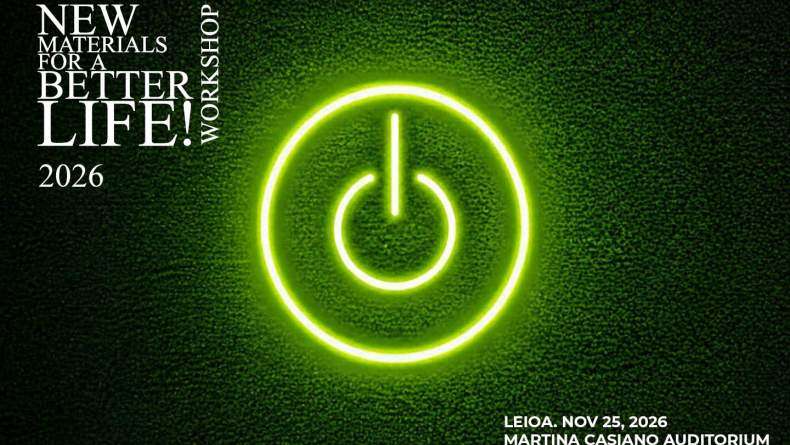
BCMaterials’ Annual Workshop Puts Catalysis for the Green Transition in the Spotlight
BCMaterials, the Basque Center for Materials, Applications and Nanostructures, will hold the new edition of its annual workshop “New Materials for a Better Life” on Wednesday, 25 November 2026, from…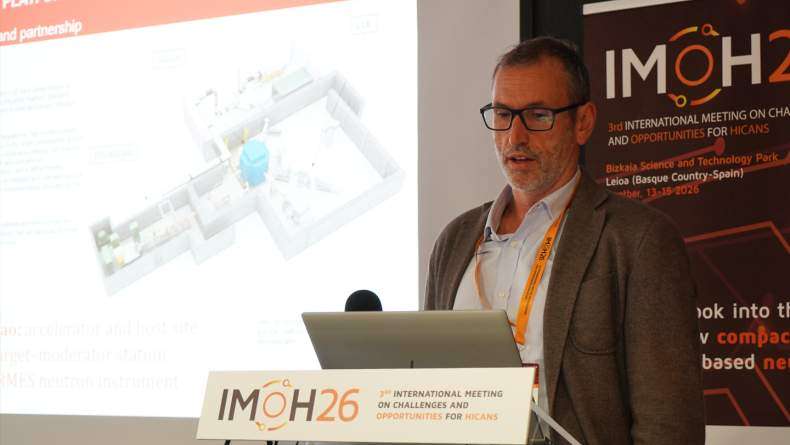
IMoH 2026 Brings the International Compact Neutron Source Community Together at BCMaterials
Around one hundred neutron science specialists from a dozen countries in Europe and North America met in Leioa from 13 to 15 October for the third edition of the International Meeting on Challenges…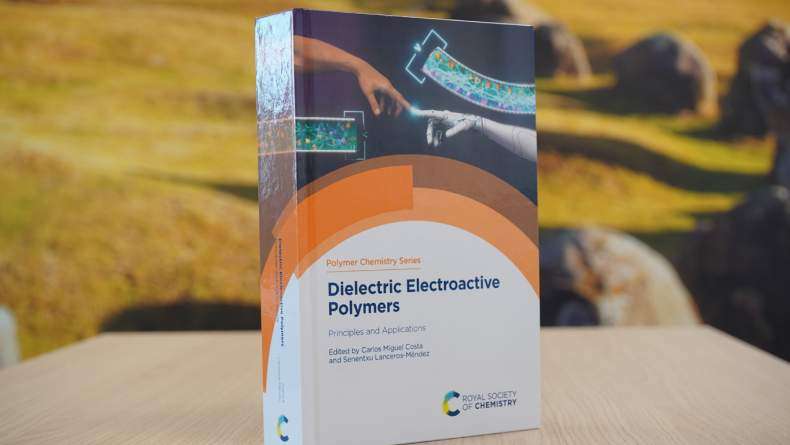
New BCMaterials book on advances in dielectric electroactive polymers
The Royal Society of Chemistry has published “Dielectric Electroactive Polymers: Principles and Applications”, a volume co-edited by Senentxu Lanceros-Méndez, Scientific Director of BCMaterials, and…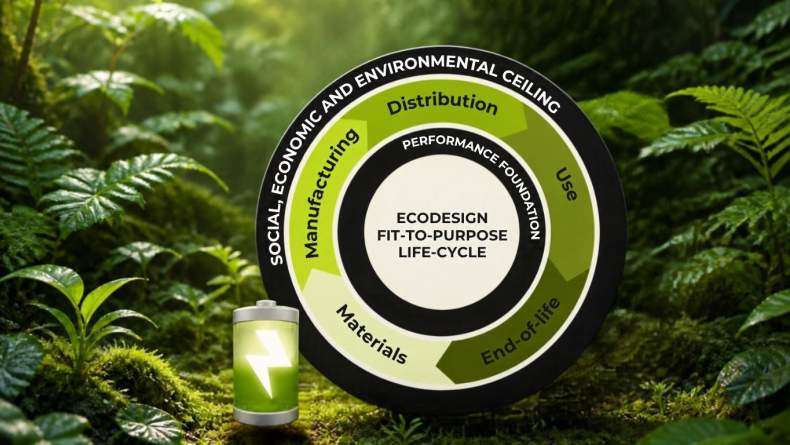
New Article in Zientzia Kaiera: Portable Batteries that Respect Planetary Limits
Digitalisation has shortened the lifespan of devices and driven up electronic waste: 53.6 million tonnes in 2019, according to the United Nations, with 110 million forecast for 2050. Only 17.4% of…