
IMoH 2026 Brings the International Compact Neutron Source Community Together at BCMaterials
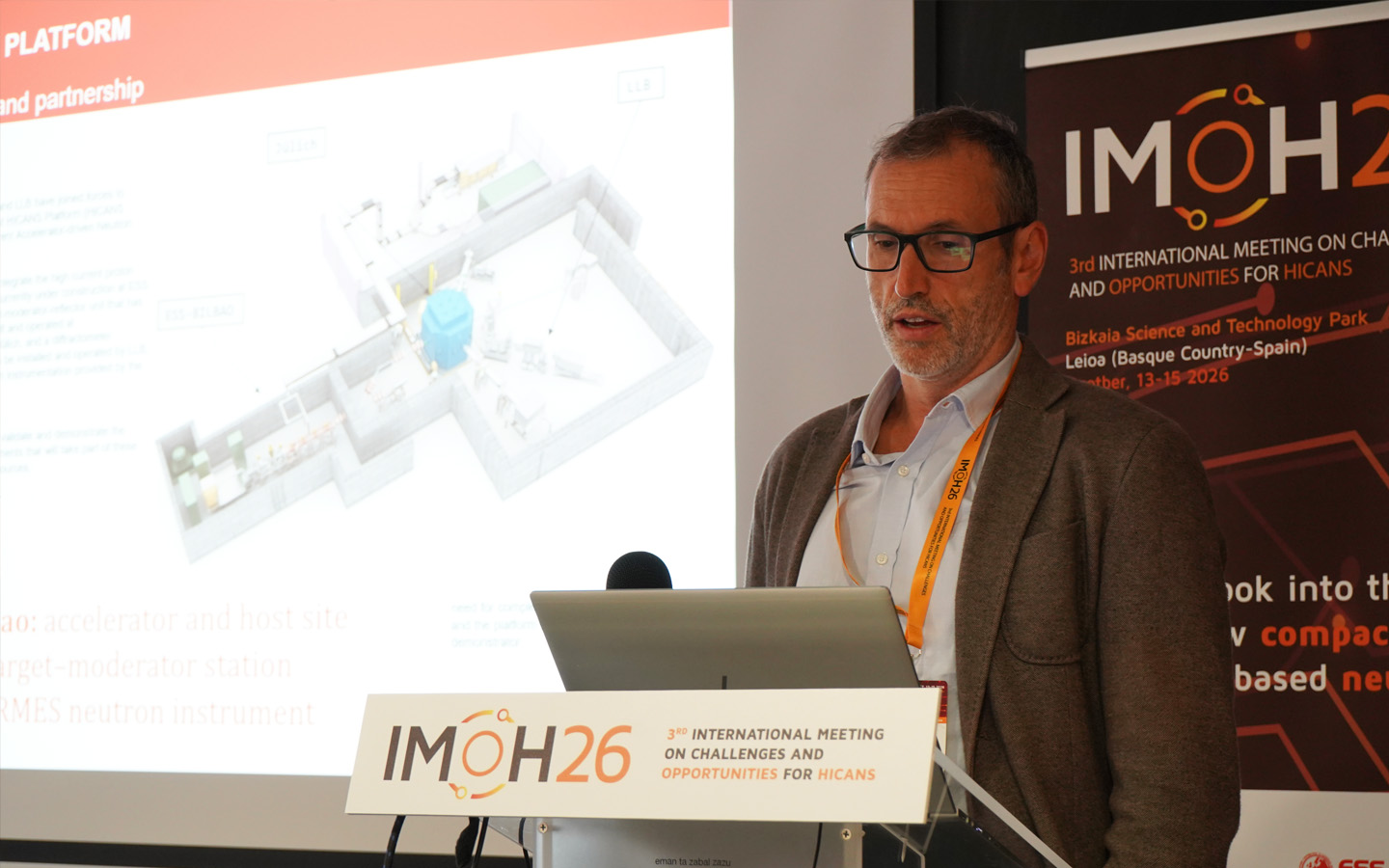
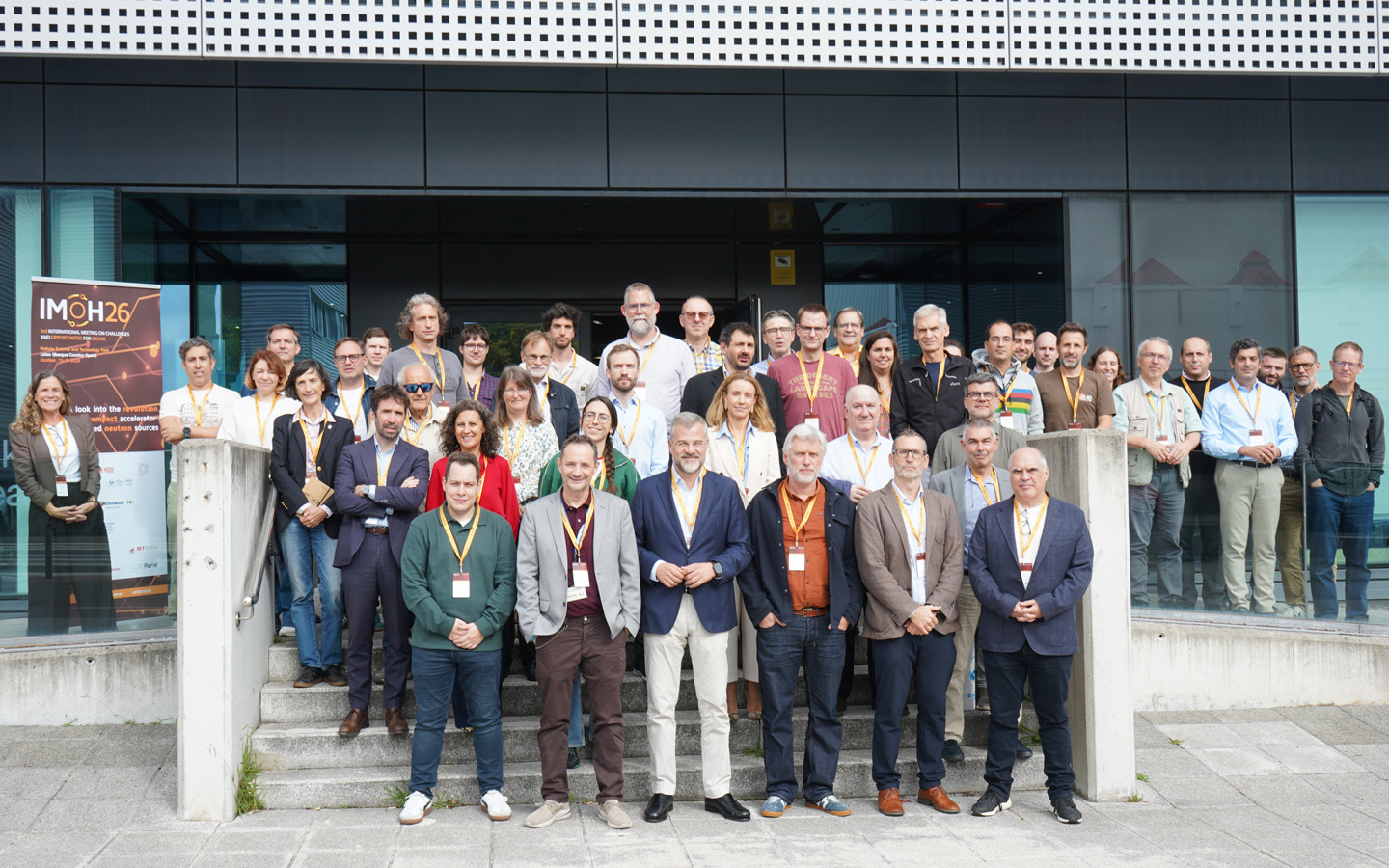
Around one hundred neutron science specialists from a dozen countries in Europe and North America met in Leioa from 13 to 15 October for the third edition of the International Meeting on Challenges and Opportunities for HiCANS (IMoH 2026). As in the two previous editions, BCMaterials hosted and co-organised the meeting together with ESS Bilbao, the Materials Physics Center (CFM-MPC), INEUSTAR and the Faculty of Science and Technology of the University of the Basque Country (UPV/EHU).
Neutrons make it possible to observe how atoms and molecules are arranged and move inside a material, which is key information for designing better materials. Today they are produced mainly at large international facilities, where demand is so high that access is limited. Compact sources based on high-current accelerators, known as HiCANS, aim to ease that access through smaller facilities that complement the large infrastructures.
From infrastructures to scientific and industrial challenges
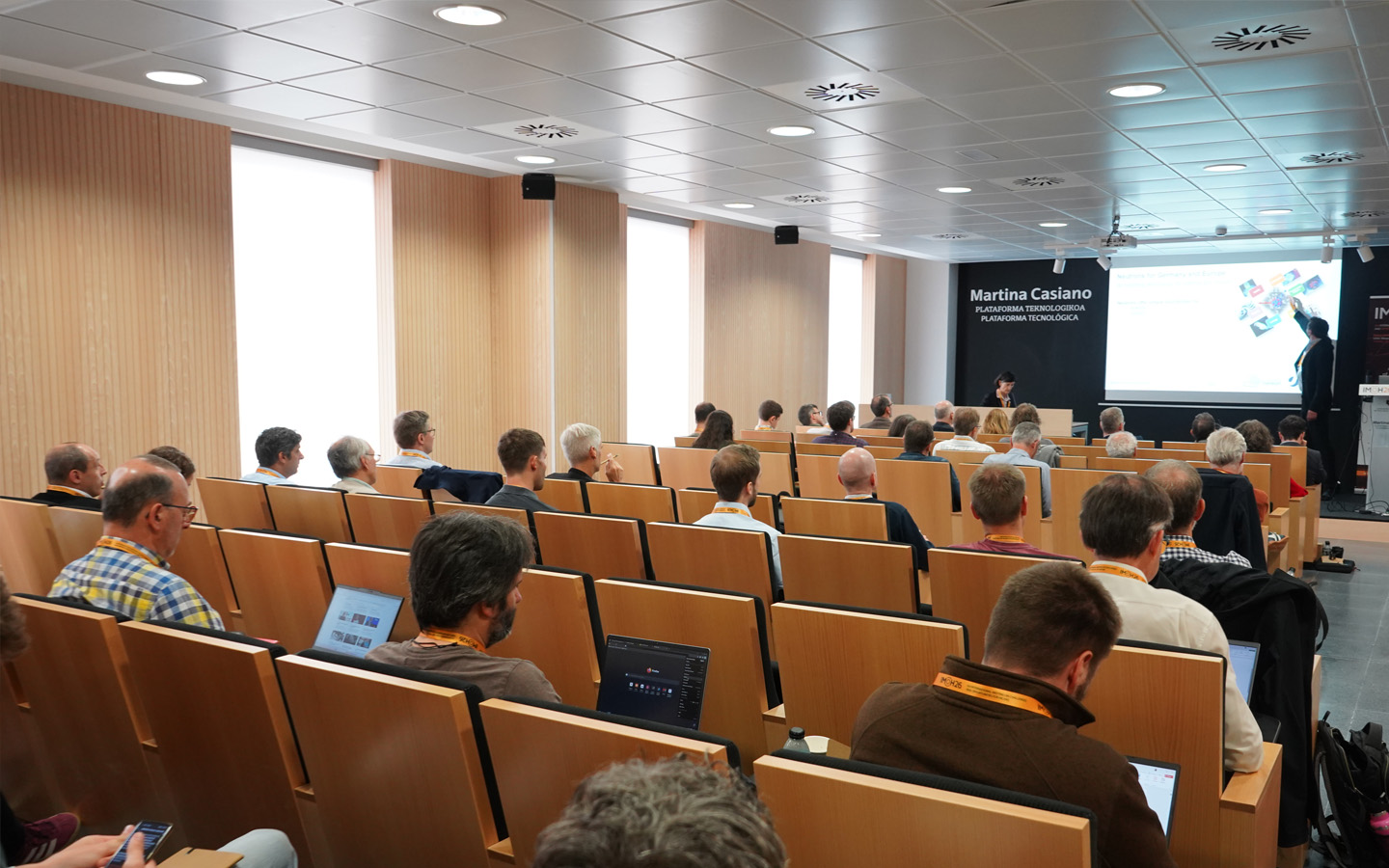
The programme was organised over three days: the first focused on technical advances and challenges for HiCANS, the second on the scientific challenges facing neutron science, and the third on its industrial and technological applications. HiCANS projects presented included HBS (Jülich, Germany), ICONE (CEA and CNRS, France) and ARGITU, a proposal driven by ESS Bilbao to establish a compact source in the Basque Country.
The panel of plenary and invited speakers included some of the leading international specialists in HiCANS and in the applications of neutron techniques. Among them were Drew Marquardt (University of Windsor, Canada), Michel Kenzelmann (Paul Scherrer Institut, Switzerland), Marta Martínez Sanz (Institute of Food Science Research – CSIC), Isidro Dan Zarraga (Sanofi, United States) and Laura Cañadillas (Institut Laue-Langevin, France).
BCMaterials’ participation
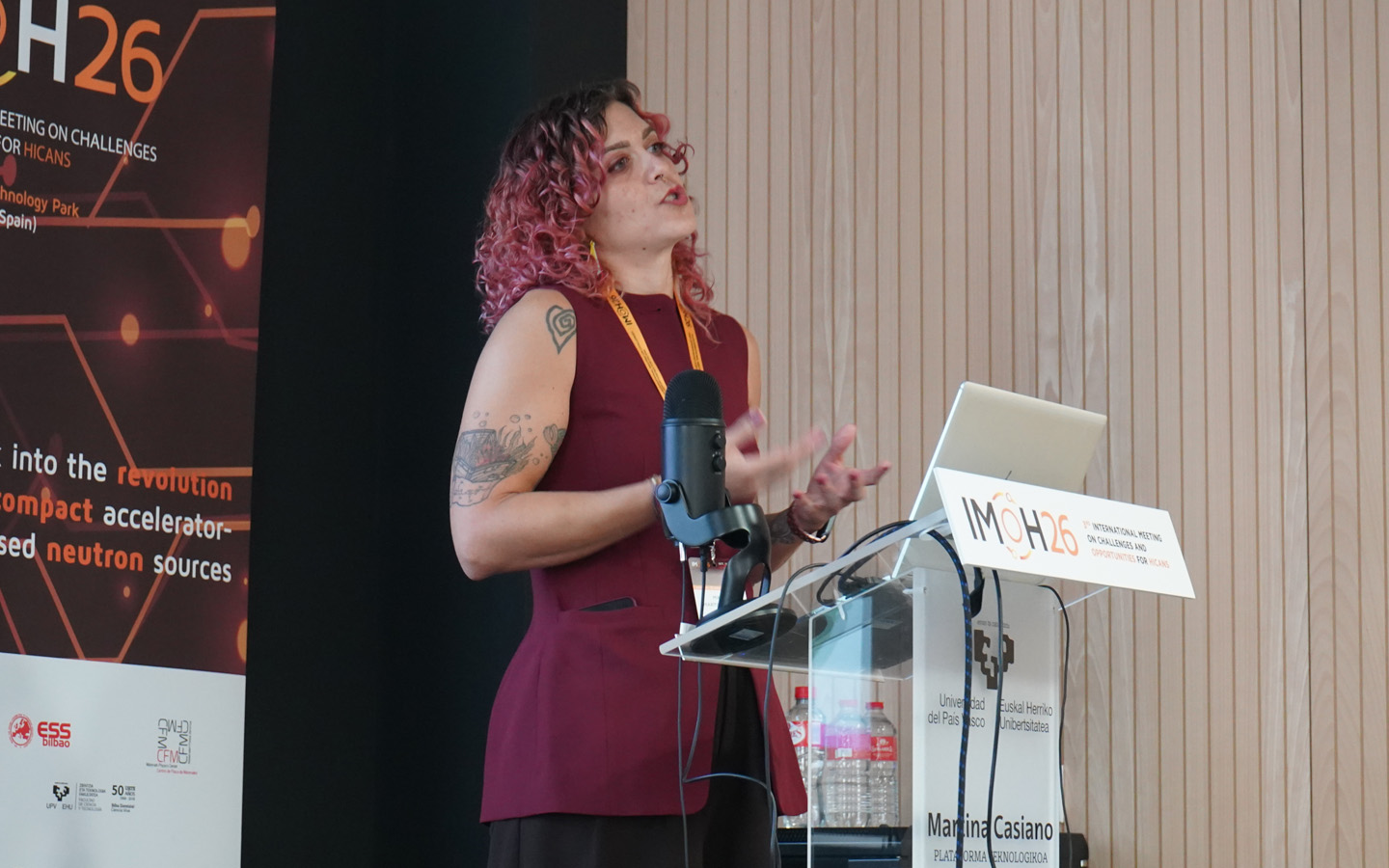
In addition to taking part in the organising and scientific committees, the BCMaterials team had a prominent presence in the scientific programme. Our scientific director, Senentxu Lanceros-Méndez, presented work on ionic liquid–polymer composites with electrical and magnetic responses. Manuel Salado, research fellow at our centre, showed how neutron reflectometry can be used to study buried interfaces in devices, in order to improve their design and reduce their degradation. José María Porro, Roberto Fernández de Luis, Cristian Mendes and Eneko Sebastián also presented posters on printed gas sensors, polymers for the safe shutdown of batteries, porous materials known as metal–organic frameworks (MOFs) and magnetic multilayers.
Very positive conclusions
Senentxu Lanceros-Méndez, scientific director of BCMaterials, stressed that this edition has shown that HiCANS “will become a reality in the near future”, an important step forward for materials science. “They will make neutron techniques quick, efficient and close to hand. At present, these techniques are used at large facilities, where high demand limits access. This will allow us to improve the design of materials and broaden their applications,” he added.
Participants also highlighted the opportunities ARGITU could create in the Basque Country: developing industrial capabilities in accelerators, scientific instrumentation and complex systems engineering, attracting talent and investment, and strengthening collaboration among research centres, universities and companies. With IMoH 2026, BCMaterials consolidates its role in an area of neutron science that is an indispensable element for creating new materials with applications in health, energy, advanced manufacturing...
Related news
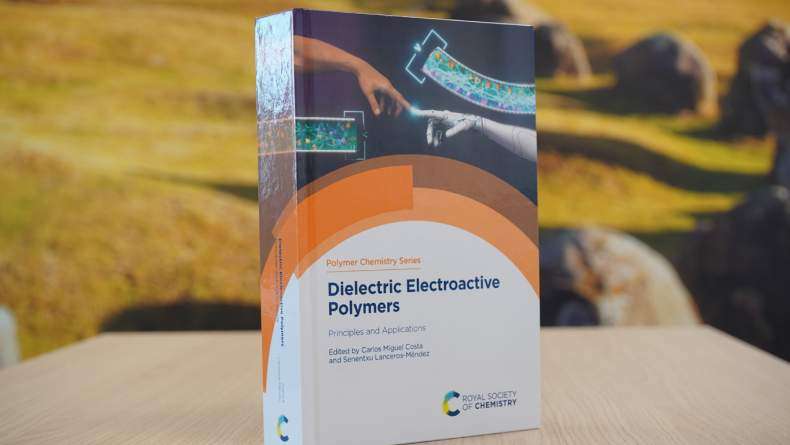
New BCMaterials book on advances in dielectric electroactive polymers
The Royal Society of Chemistry has published “Dielectric Electroactive Polymers: Principles and Applications”, a volume co-edited by Senentxu Lanceros-Méndez, Scientific Director of BCMaterials, and…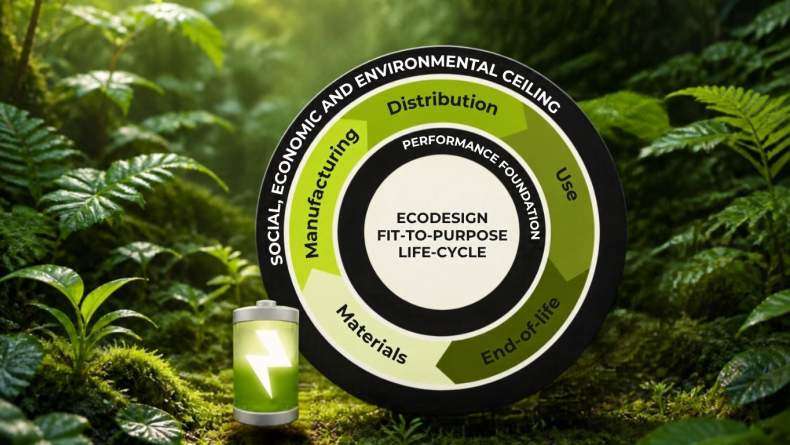
New Article in Zientzia Kaiera: Portable Batteries that Respect Planetary Limits
Digitalisation has shortened the lifespan of devices and driven up electronic waste: 53.6 million tonnes in 2019, according to the United Nations, with 110 million forecast for 2050. Only 17.4% of…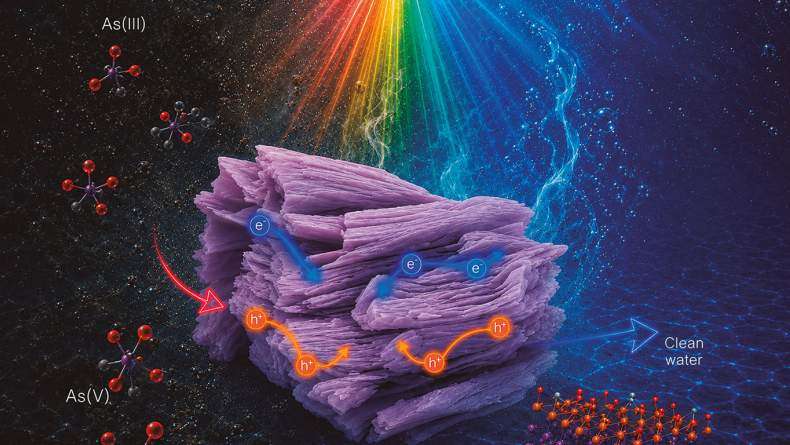
BCMaterials Research Earns Front Cover of Journal of Materials Chemistry A
A study led by BCMaterials researcher Maibelin Rosales, together with Senentxu Lanceros-Méndez, Javier del Campo, and Jorge Saiz, has been published in Journal of Materials Chemistry A and featured…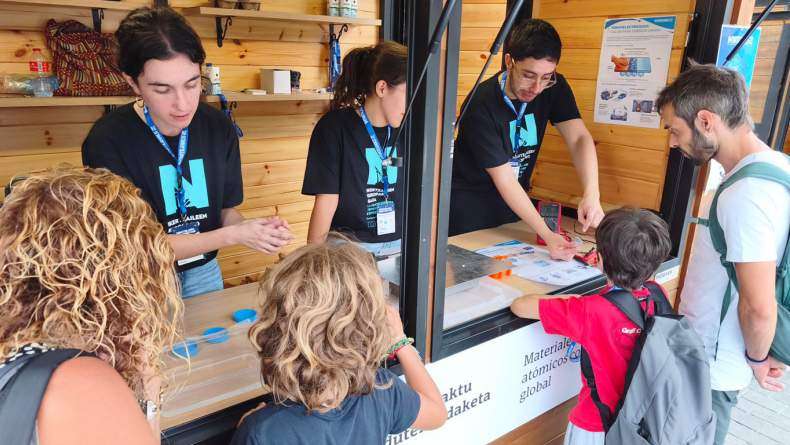
Science and Fun at Bilbao’s European Researchers’ Night
On 25 September, BCMaterials took part in a new edition of the European Researchers’ Night, organised by the University of the Basque Country at El Arenal in Bilbao. Through a series of fun…