
New Article in Zientzia Kaiera: Portable Batteries that Respect Planetary Limits
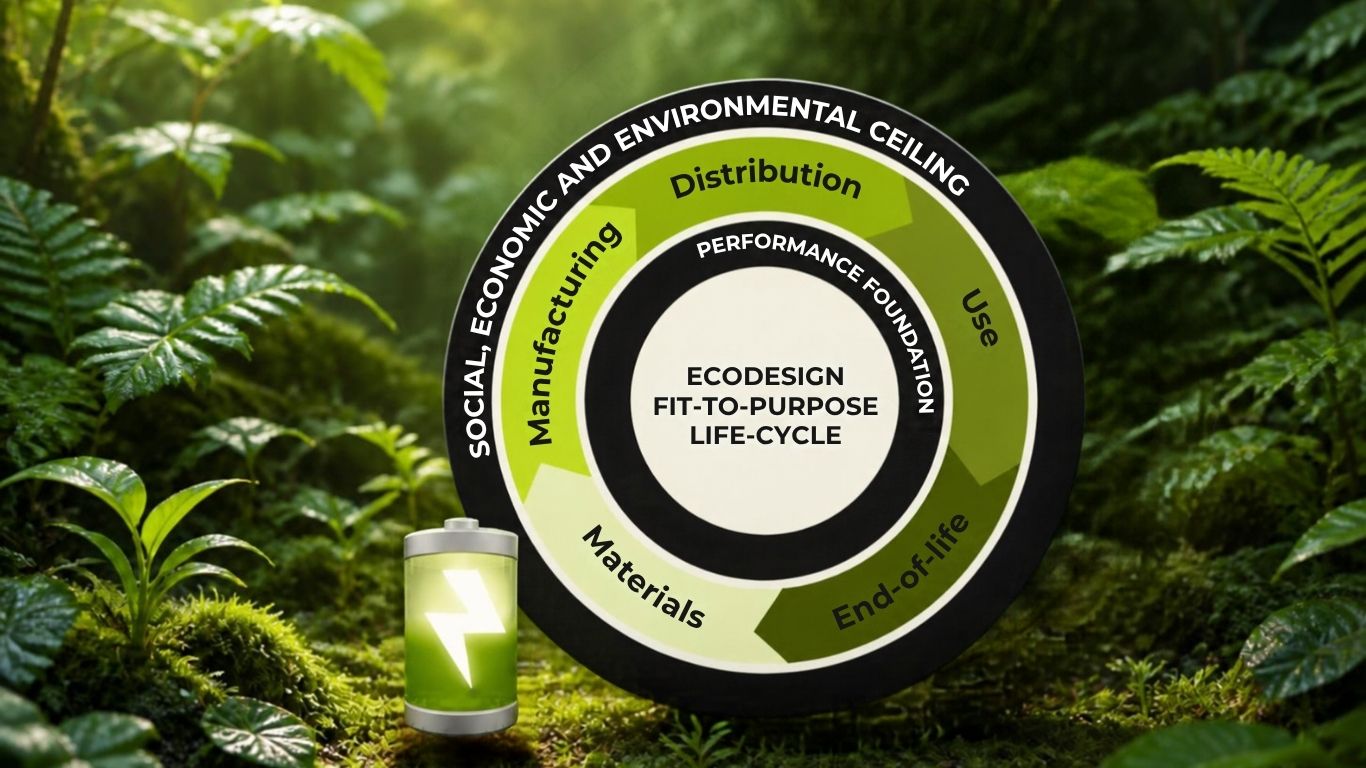
Digitalisation has shortened the lifespan of devices and driven up electronic waste: 53.6 million tonnes in 2019, according to the United Nations, with 110 million forecast for 2050. Only 17.4% of the waste collected was properly recycled. Batteries add to the problem. They contain metals such as lithium, cobalt or cadmium, which are scarce, toxic and tied to supply chains with ethical and geopolitical issues. In 2020, only 47% of the portable batteries sold in the EU were collected.
In an article published in Zientzia Kaiera, the blog of the Chair of Scientific Culture of the University of the Basque Country (EHU), BCMaterials researchers Carles Tortosa, Andrea Ugalde and Juan Pablo Esquivel, plus former researchers of our center like Marina Navarro-Segarra and Mikel Undagoitia, argue for a new approach to portable batteries. European regulation aims for more sustainable batteries, but it is hard to apply to portable ones because of their diverse uses and because final responsibility lies with the user. Moreover, research mostly focuses on improving energy and durability, leaving other sustainability criteria in the background.
The team proposes setting an environmental and ethical limit first: low-toxicity materials, a responsible supply chain, efficiency and good end-of-life management. Within that margin, each battery must deliver the performance its application requires, and its final fate is defined by its use.
They have already applied this approach in prototypes: a paper battery for portable diagnostic devices, a cardboard one for smart packaging that can be recycled with paper and cardboard, and biodegradable, compostable batteries for environmental monitoring and precision agriculture.
The authors aim to open a debate on how to redesign the life cycle of these batteries.
Related news
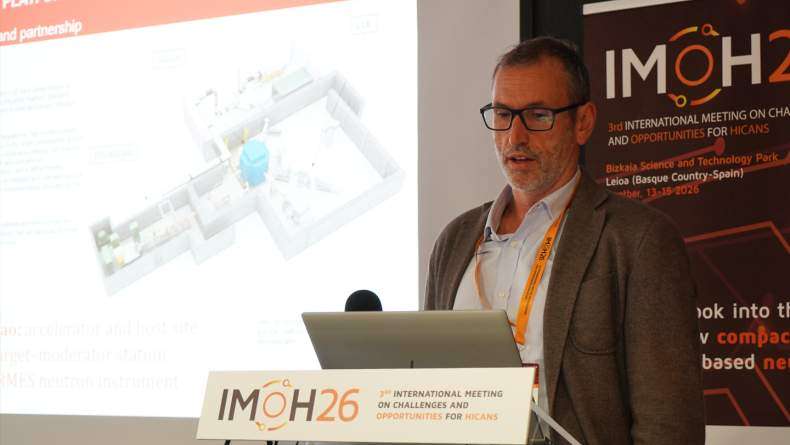
IMoH 2026 Brings the International Compact Neutron Source Community Together at BCMaterials
Around one hundred neutron science specialists from a dozen countries in Europe and North America met in Leioa from 13 to 15 October for the third edition of the International Meeting on Challenges…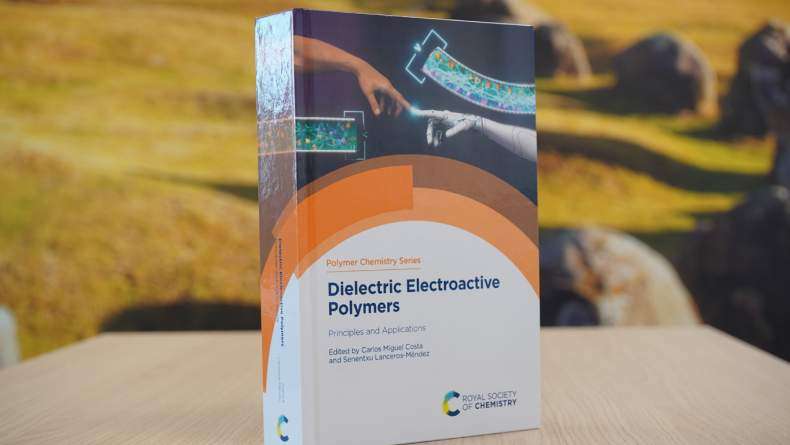
New BCMaterials book on advances in dielectric electroactive polymers
The Royal Society of Chemistry has published “Dielectric Electroactive Polymers: Principles and Applications”, a volume co-edited by Senentxu Lanceros-Méndez, Scientific Director of BCMaterials, and…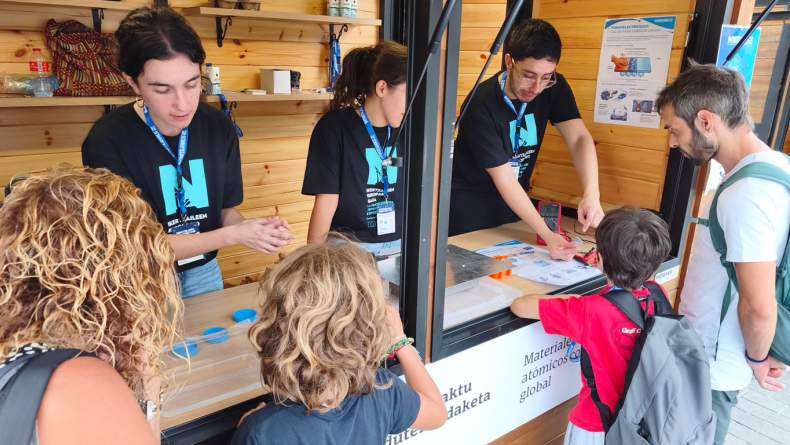
Science and Fun at Bilbao’s European Researchers’ Night
On 25 September, BCMaterials took part in a new edition of the European Researchers’ Night, organised by the University of the Basque Country at El Arenal in Bilbao. Through a series of fun…
BCMaterials Research Earns Front Cover of Journal of Materials Chemistry A
A study led by BCMaterials researcher Maibelin Rosales, together with Senentxu Lanceros-Méndez, Javier del Campo, and Jorge Saiz, has been published in Journal of Materials Chemistry A and featured…