
BCMaterials invited talks: Dr. J. Segura-Ruiz
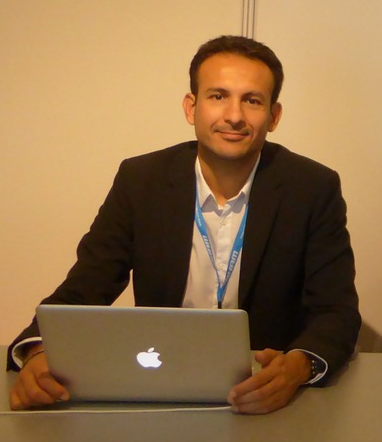
J. Segura-Ruiz European Synchrotron Radiation Facility (ESRF). Grenoble, France
Materials with technological and industrial applications are continuously evolving in terms of size, structure, properties, fabrication processes, etc. This continuous evolution requires advanced characterization techniques to better understand and further improve the properties and performances of the emerging and well stablished materials and technologies. With the increasing complexity of the characterization needs from the Materials Science community, the advanced instruments and techniques provided by synchrotron installations plays an important. The ID16B beamline at the European Synchrotron Radiation Facility (ESRF) is a nanoprobe that provides a focalized (down to 50x50 nm2), intense (up to 1012 ph/s), hard Xrays (up to 34 keV) beam. ID16B offers several characterization techniques: X-ray fluorescence, X-ray diffraction, X-ray absorption spectroscopy, X-ray excited optical luminescence (XEOL) among others. The various methods available, the possibility of using them simultaneously and the capability to install different types of samples environments, render this beamline a unique characterization tool especially for materials looking to develop new micro- and nano-devices. In this talk I will describe in detail the main characteristics and the experimental setup of beamline ID16B. I will present some examples of the results obtained from the multi-technique characterization performed at ID16B illustrating the potential of this beamline.
 J. Segura-Ruiz
European Synchrotron Radiation Facility (ESRF). Grenoble, France
J. Segura-Ruiz
European Synchrotron Radiation Facility (ESRF). Grenoble, France
Dr. Jaime Segura Ruiz obtained his Ph.D in Physics from the University of Valencia - Spain in 2010. He started a 3-years postdoc at the ESRF, The European Synchrotron – in the nanoprobe beamline ID22 in 2010. In 2013, he joined the Institut Laue Langevin (ILL), The European Neutron Source, as Industrial Liaison Engineer. In 2015, he started working on the design and construction of the D50 instrument – providing neutron imaging and reflectometry techniques to industrial and academic research – and became the scientist responsible of this instrument until April 2018. Since then, he is the scientist responsible of the nanoprobe beamline ID16B at the ESRF. Dr. Segura has a large expertise in advanced structural and chemical characterization of nanostructures and nanomaterials with Neutrons and Synchrotron Radiation techniques. His research work focuses on the physical characterization of semiconductor micro- and nano-structures, as well as micro- and nano-devices using synchrotron radiation techniques such as X-ray fluorescence (XRF), X-ray diffraction (XRD), X-ray absorption spectroscopy (XAS), X-ray excited optical luminescence (XEOL) among others.
Related news
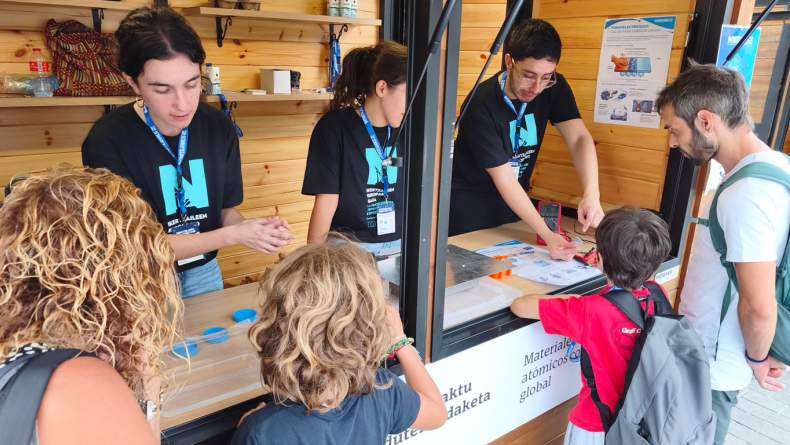
Science and Fun at Bilbao’s European Researchers’ Night
On 25 September, BCMaterials took part in a new edition of the European Researchers’ Night, organised by the University of the Basque Country at El Arenal in Bilbao. Through a series of fun…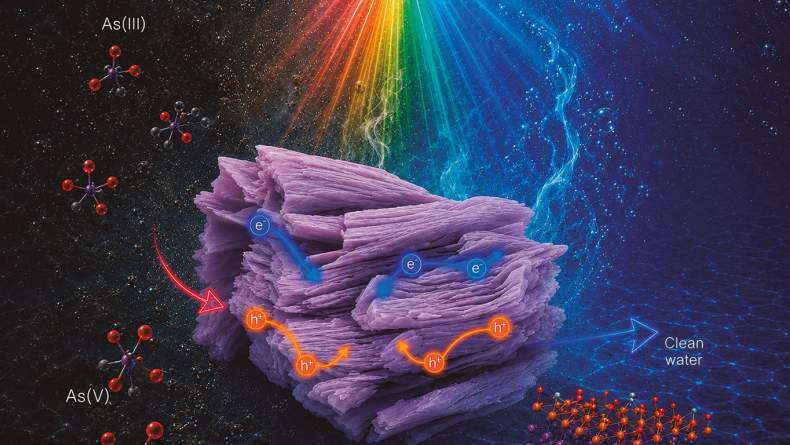
BCMaterials Research Earns Front Cover of Journal of Materials Chemistry A
A study led by BCMaterials researcher Maibelin Rosales, together with Senentxu Lanceros-Méndez, Javier del Campo, and Jorge Saiz, has been published in Journal of Materials Chemistry A and featured…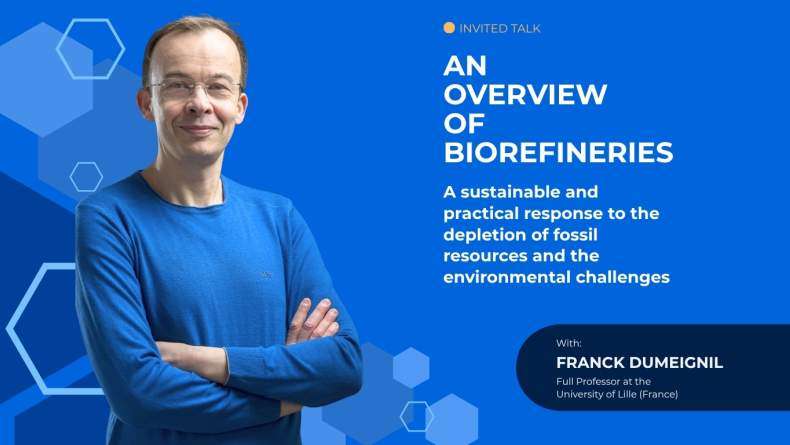
Invited Talk by Franck Dumeignil on Biorefineries (October 1)
On October 1, Franck Dumeignil, Full Professor at the University of Lille (France), will give an invited talk at BCMaterials entitled 'An Overview of Biorefineries'. The lecture will take place in…
Invited Talk by Giuseppina Pace on Triboelectric Nanogenerators (September 24)
Next Thursday, September 24, Giuseppina Pace, researcher at the Institute of Microelectronics and Microsystems of the National Research Council of Italy (IMM-CNR) in Milan, will give an invited…