
PhD Results #5

MIKEL RINCÓN
(BCMATERIALS)
Magnetic inks based on water-soluble cellulose derivatives for Screen-printing
Although magnetic materials are currently being used in a plethora of applications, their fabrication approaches often involve expensive, non-scalable, time-consuming and often toxic processes. Here we report a scalable and environmentally-benign fabrication of free-standing magnetic films and screen printing ink based on cellulose derivatives through the combination of cobalt ferrite (CoFe2O4) nanoparticles with methyl cellulose (MC), hydroxypropyl cellulose (HPC) and sodium carboxymethyl cellulose (NaCMC). Crack-free films with homogeneously dispersed nanoparticles having concentrations up to 50 wt.% are fabricated by doctor blade casting. Besides, the same materials have been used as screen printing ink using mechanically flexible microporous paper as substrates. Vibrating-sample magnetometer (VSM) results demonstrate that fabricated patterns present enough magnetization to be used as actuators and sensors.
BRUNO HERMENEGILDO
(BCMATERIALS)
Hybrid fibrous microenvironments for muscle tissue engineering
To mimic the natural environment of tissues, in-vitro, support structures are necessary in order to allow for healthy cell and tissue development. Hydrogels have become popular materials to develop these structures due to their many attractive properties; however, hydrogels alone cannot provide all the necessary stimuli and microenvironmental needs for cell development. Likewise, most hydrogels are fragile and not suitable for any load-bearing applications, or any others that cause high mechanical stress on materials.
Incorporating micro and nanoscale electroactive polymers in a hydrogel scaffold, and stimulating these polymers externally so that they can in turn stimulate the incorporated cells, allows for in-vitro mimicry of the normal conditions of muscle cell growth and differentiation, as well as mechanical reinforcement of the existing hydrogel. In this context, the present work focuses on the development of electrospun electroactive polymer fibers, further modified with ionic liquids or magnetoelectric particles to allow electro and mechanical stimuli to be applied to the cells, for future fabrication of a functionalized hybrid hydrogel scaffolds for muscle tissue engineering.Related news
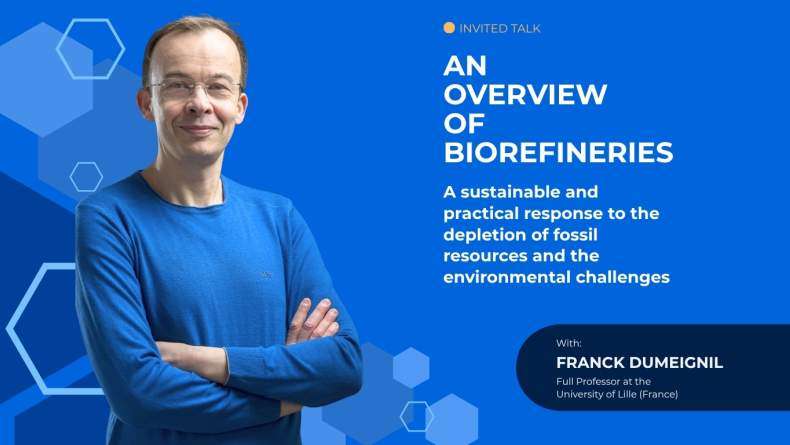
Invited Talk by Franck Dumeignil on Biorefineries (October 1)
On October 1, Franck Dumeignil, Full Professor at the University of Lille (France), will give an invited talk at BCMaterials entitled 'An Overview of Biorefineries'. The lecture will take place in…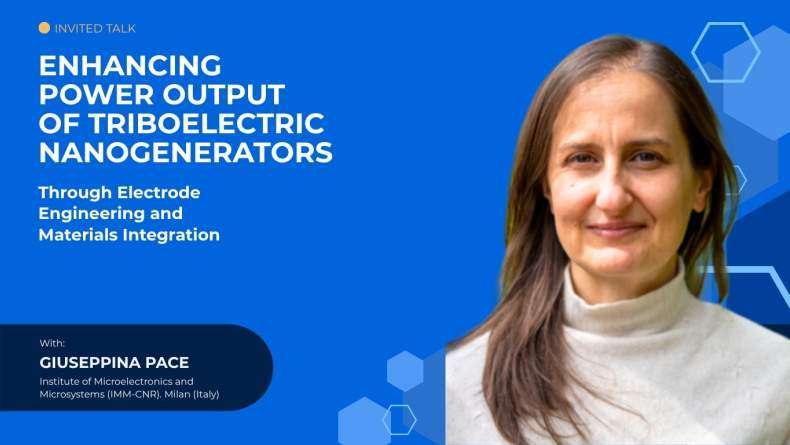
Invited Talk by Giuseppina Pace on Triboelectric Nanogenerators (September 24)
Next Thursday, September 24, Giuseppina Pace, researcher at the Institute of Microelectronics and Microsystems of the National Research Council of Italy (IMM-CNR) in Milan, will give an invited…
BCMaterials to Develop Five New ‘Generación de Conocimiento’ Projects
BCMaterials will lead or participate in five new projects funded under the Spanish Ministry of Science, Universities and Innovation ‘Generación de Conocimiento’ (‘Knowledge Generation’) call. The…
Six New Research Projects under the Elkartek 2026 Programme
BCMaterials will participate in six new projects funded by the Basque Government under the Elkartek 2026 Programme. The projects cover the centre’s four main research areas: environmental materials,…