
Neutron scattering for research of materials and transient processes in lithium power sources by Mikhail V. Avdeev
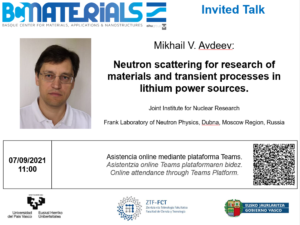
We are pleased to announce the invited talk given by Mikhail V. Avdeev, Professor at Frank Laboratory of Neutron Physics, Joint Institute for Nuclear Research, Dubna, Moscow region, Russia about “Neutron scattering for research of materials and transient processes in lithium power sources”.
The current rapid development of electric transport, robotics, as well as the miniaturization and increasing functionality of portable electronic devices call for the creation of more advanced electrochemical energy storage devices. At present, lithium-ion batteries exhibit the highest specific energy storage capacity, the basis of which is the ability of electrode materials to insert (intercalate) and extract (deintercalate) lithium ions during battery charging/discharging, respectively. Further ways to significantly increase the specific capacity of electrochemical sources today are associated with lithium energy storage devices of ‘non-intercalation’ type, such as lithium-ion sources with metal anodes or lithium-oxygen cells with carbon-based cathodes. In turn, this determines the urgent need for the development of experimental approaches that would make it possible to explore the structure of electrodes and electrolytes in bulk and at interfaces including those in operating cells. Scattering of thermal (energy <0.5 eV) neutrons has proven to be a promising technique for this purpose, which allows tracking the structural evolution of the components of electrochemical cells.
The report provides a review of the recent advances in neutron scattering methods for research related to the development of lithium power sources of different types. It summarizes the experimental studies and diagnostics of electrode materials and electrochemical interfaces using neutron diffraction, reflectometry and small-angle scattering over the past ten years. The results obtained establish relationships between the microstructure of the components and macroscopic characteristics of electrochemical cells in various conditions.
The talk will be on September 7th at 11:00.
The event is free and open for everybody, it will be online via TEAMS with the following link:
Teams Link
Do not miss it!

Related news
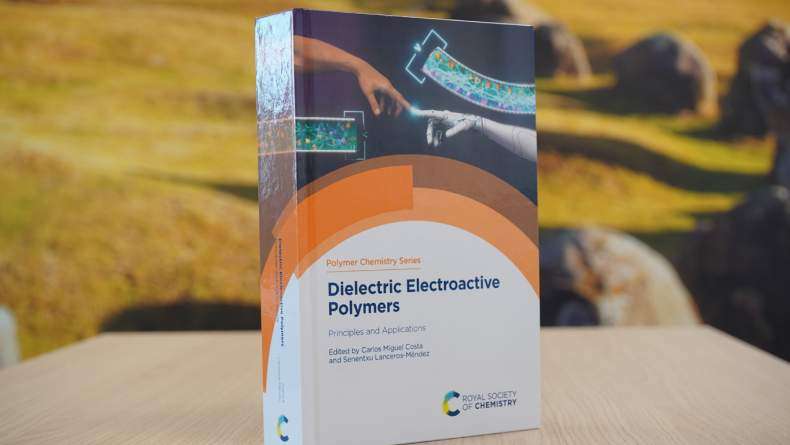
New BCMaterials book on advances in dielectric electroactive polymers
The Royal Society of Chemistry has published “Dielectric Electroactive Polymers: Principles and Applications”, a volume co-edited by Senentxu Lanceros-Méndez, Scientific Director of BCMaterials, and…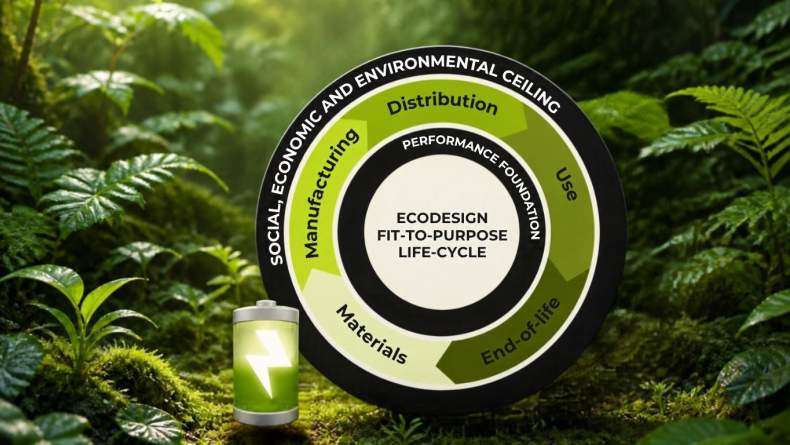
New Article in Zientzia Kaiera: Portable Batteries that Respect Planetary Limits
Digitalisation has shortened the lifespan of devices and driven up electronic waste: 53.6 million tonnes in 2019, according to the United Nations, with 110 million forecast for 2050. Only 17.4% of…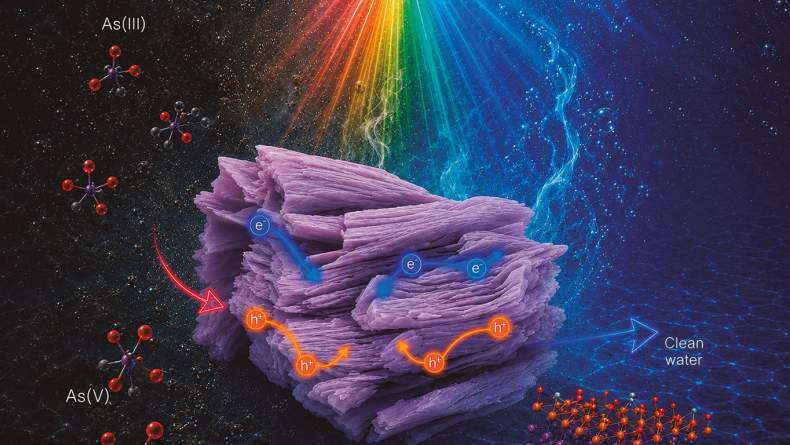
BCMaterials Research Earns Front Cover of Journal of Materials Chemistry A
A study led by BCMaterials researcher Maibelin Rosales, together with Senentxu Lanceros-Méndez, Javier del Campo, and Jorge Saiz, has been published in Journal of Materials Chemistry A and featured…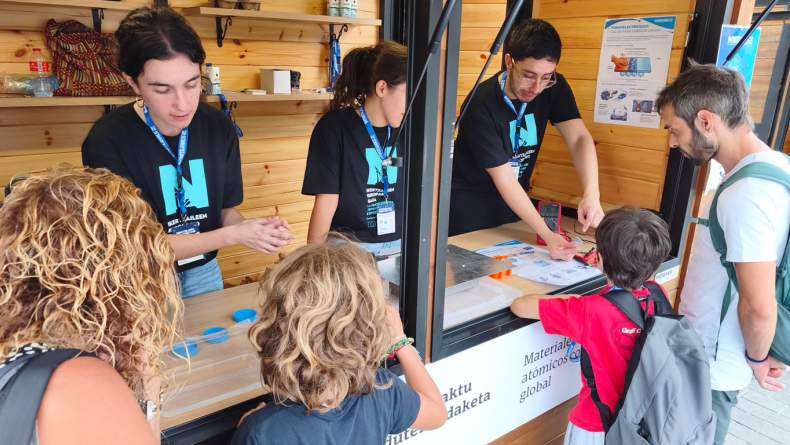
Science and Fun at Bilbao’s European Researchers’ Night
On 25 September, BCMaterials took part in a new edition of the European Researchers’ Night, organised by the University of the Basque Country at El Arenal in Bilbao. Through a series of fun…