
BCMaterials invited talks: Unai Silvan
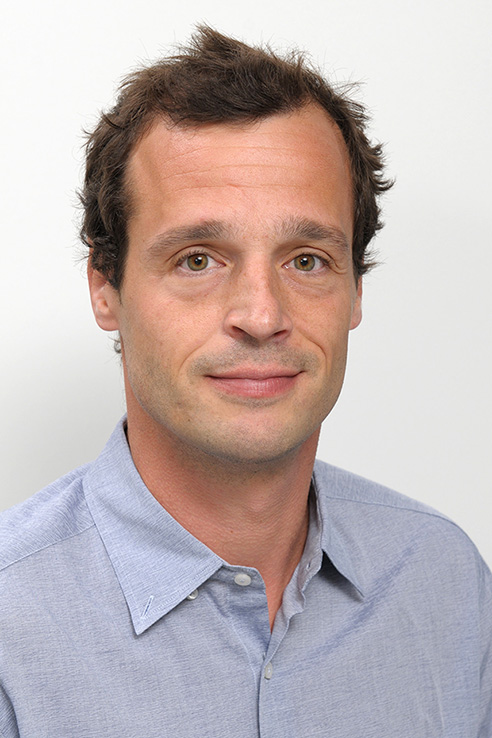
Unai Silvan Department of Health Sciences and Technology, ETHZ & University of Zürich (Department of Orthopedics)
Cell behavior is strongly determined by the mechanical cues arising from the microenvironment. The mechanism by which cells sense and respond to material rigidity involves the generation of oscillating pulling forces through cell-substrate adhesions, which transmit the tension to the actin cytoskeleton and drive the activation of cell-specific signaling pathways that determine cell fate. Understanding these cell-material interactions requires accurate characterization of the substrate mechanical properties, which are generally measured by indentation-type atomic force microscopy (IT-AFM). Nevertheless, the topographical and mechanical properties of the extracellular matrix coatings used to promote cell adhesion, and their impact on the cell response, remain insufficiently studied. With this in mind, our research focuses on how protein configuration at the nano- and macro-scales, affects the response of cells to soft substrates. Our results demonstrate that protein assembly, either surface-driven or spontaneous, can overwrite the bulk properties of compliant biomaterials, and ultimately determine the response of cells adhering to them. Our data further evidences the need for new approaches for the functionalization and for the mechanical characterization of cell instructive biomaterials.
 Unai Silvan
Department of Health Sciences and Technology, ETHZ & University of Zürich (Department of Orthopedics)
Unai Silvan
Department of Health Sciences and Technology, ETHZ & University of Zürich (Department of Orthopedics)
Unai Silvan is a Group Leader in Sarcoma Research and Cell Biomechanics at the Swiss Federal Institute of Zürich (Department of Health Sciences and Technology, ETHZ) and the University of Zürich (Department of Orthopedics). After receiving his Bachelor degree in Biochemistry from the University of the Basque Country, Dr. Silvan joined the Laboratory of Stem Cells, Development & Cancer at the Faculty of Medicine (University of the Basque Country) for his doctoral studies. During his PhD he established a new animal model for the study of testicular cancer and analyzed the impact of hypoxia in the progression of these tumors. He then joined the Maurice E. Müller Institute for Structural Biology at the University of Basel (Switzerland) to study supramolecular actin structures and associated factors, and their relationship with cell function, including cancer invasion. In 2012, Dr. Silvan moved to the Laboratory of Orthopedic Biomechanics at the Institute for Biomechanics (ETH Zürich) as a Group Leader to conduct a number of basic and translational research lines related to the biophysical properties of cells and their interaction with biomaterials. In parallel, in 2016 he was appointed to be Leader of Sarcoma Research Unit at the Balgrist Campus (University of Zürich).
Related news
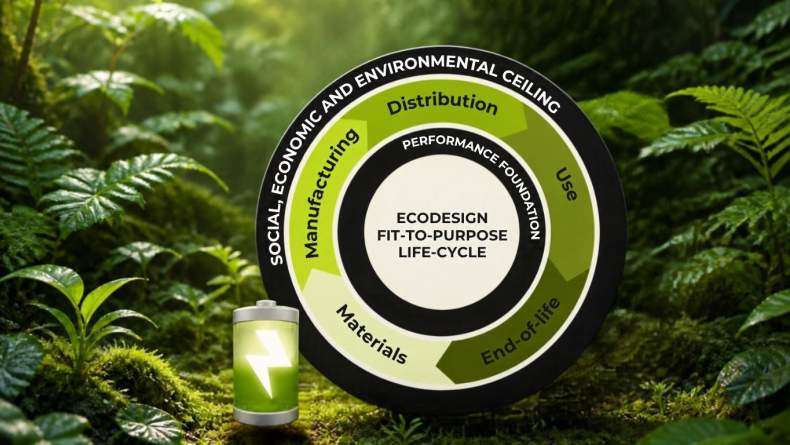
New Article in Zientzia Kaiera: Portable Batteries that Respect Planetary Limits
Digitalisation has shortened the lifespan of devices and driven up electronic waste: 53.6 million tonnes in 2019, according to the United Nations, with 110 million forecast for 2050. Only 17.4% of…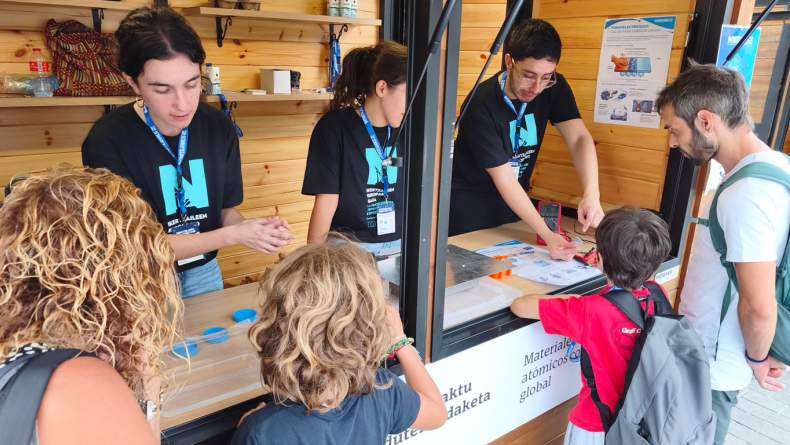
Science and Fun at Bilbao’s European Researchers’ Night
On 25 September, BCMaterials took part in a new edition of the European Researchers’ Night, organised by the University of the Basque Country at El Arenal in Bilbao. Through a series of fun…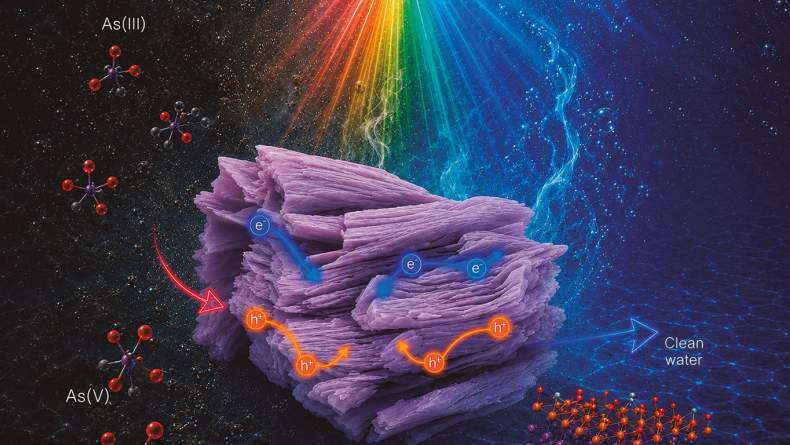
BCMaterials Research Earns Front Cover of Journal of Materials Chemistry A
A study led by BCMaterials researcher Maibelin Rosales, together with Senentxu Lanceros-Méndez, Javier del Campo, and Jorge Saiz, has been published in Journal of Materials Chemistry A and featured…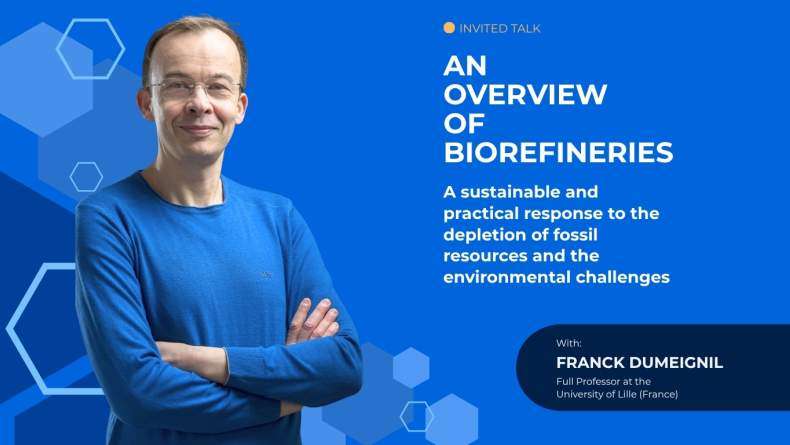
Invited Talk by Franck Dumeignil on Biorefineries (October 1)
On October 1, Franck Dumeignil, Full Professor at the University of Lille (France), will give an invited talk at BCMaterials entitled 'An Overview of Biorefineries'. The lecture will take place in…