
PhD Results #2

DAVID GANDIA
(BCMATERIALS)
Magnetotactic bacteria as hyperthermia agents
Magnetotactic bacteria (MTB) are a diverse group of microorganisms with the ability to orient and migrate along the geomagnetic field due to the presence of a chain of magnetic nanoparticles that behave as a compass needle. In particular, Magnetospirillum gryphiswaldense MSR-1 species synthesize cubo-octahedral shape magnetite (Fe3O4) nanoparticles with a mean diameter of 45 nm. These nanoparticles are arranged forming a chain of ≈ 20 nanoparticles. In the last years, one of the most interesting approaches for cancer therapy is devising nano-robots capable of targeting and destroying cancer cells. In this work we want to prove the capabilities of Magnetospirillum gryphiswaldensebacteria as self-propelled biorobots for cancer treatment, evaluating the magnetic hyperthermia response. Magnetotactic bacteria were dispersed in water with concentration of 0.15 mgFe3O4/ml reaching SAR/f values as high as 8 Wg-1kHz-1.We have developed a model considering that the magnetic energy of bacteria depends on the cubic magnetocrystalline anisotropy of magnetite, shape anisotropy, intra-chain dipolar interactions, and the Zeeman term.
NELSON CASTRO
(BCMATERIALS)
Polymer composite microenvironments for tissue engineering applications
The replacement and regeneration of lost or damaged organs represent one of the main challenges in nowadays medicine. In order to tackle them, techniques that simulate the physicochemical and bioactive environment of natural cells are employed in tissue engineering (TE). One of the main methods involve biomaterials, as they show great performance in cell adhesion, proliferation and differentiation, allowing improved cell response. In particular, bone TE is under intense investigation. Bone tissue has a piezoelectric natural property, meaning that when it is under mechanical stress it generates a voltage variation. This fact has raised increased attention on the use of electrically active biomaterials for bone regeneration. In order to take full advantage of electroactive biomaterials, a proper microenvironment able to mimic the required environment of the cells as well as the required elecromechanical inputs is required. In this way, an active biomaterial and device solutions are presented.
Related news
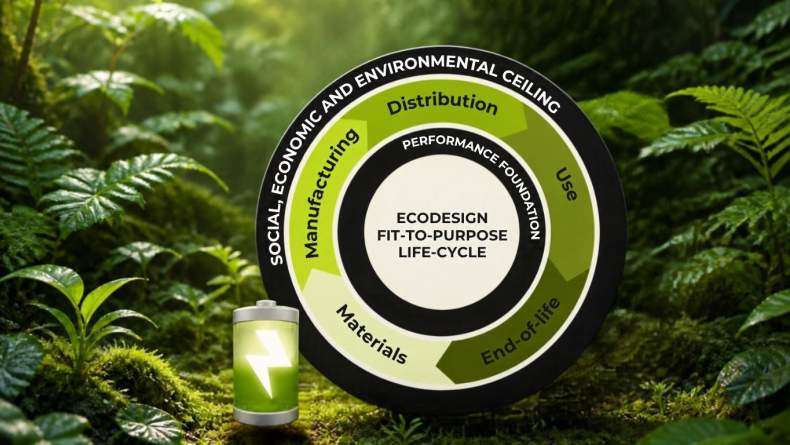
Artikulu berria Zientzia Kaieran: planetaren mugak errespetatzen dituzten bateria eramangarriak
Digitalizazioak gailuen bizitza baliagarria laburtu eta hondakin elektronikoak areagotu ditu: 53,6 milioi tona 2019an, Nazio Batuen arabera, eta 110 milioi tona aurreikusten dira 2050erako.…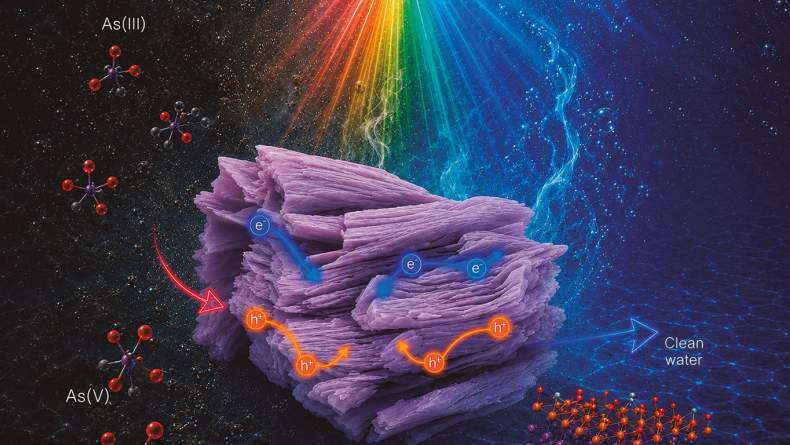
BCMaterials-en ikerketa, Journal of Materials Chemistry A aldizkariaren azalea
Maibelin Rosales BCMaterials-eko ikertzaileak gidatutako ikerketa bat, Senentxu Lanceros-Méndez, Javier del Campo eta Jorge Saiz ikertzaileekin batera egina, Journal of Materials Chemistry A…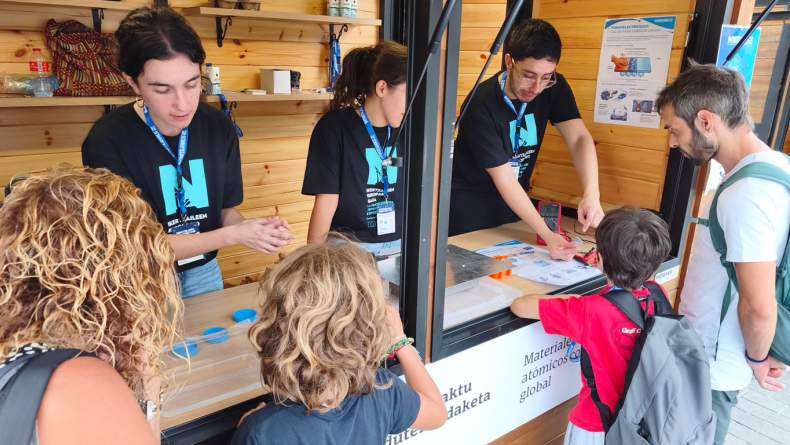
Zientzia eta dibertsioa Bilboko Ikertzaileen Europako Gauean
Joan den irailaren 25ean, BCMaterialsek Ikertzaileen Europako Gauaren edizio berri batean parte hartu zuen. Euskal Herriko Unibertsitateak antolatutako ekimena Bilboko Arenalean egin zen. Adin…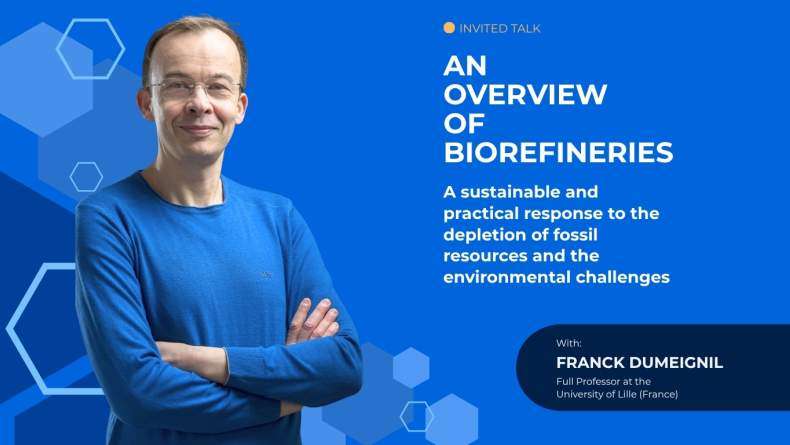
Hitzaldi gonbidatua Franck Dumeignilekin biorrefinerietaz (urriak 1)
Datorren ostegunean, urriaren 1ean, Franck Dumeignil, Lilleko Unibertsitateko (Frantzia) katedradunak, 'An Overview of Biorefineries' hitzaldia aurkeztuko du BCMaterials-en. Hitzaldia EHUko Leioako…