
IEEE Distinguished Lecturers in BCMaterials Invited Talks


Magnetic Materials in Medicine: Applications in Diagnosis, Management and Treatment of Disease.
Scientists working in the field of magnetic materials are increasingly focusing their attention on new applications of magnetic detection and magnetic transduction techniques in the biomedical sciences. Iron is a key functional element in the human body and surpasses all other naturally occurring elements in the body in terms of both the variety and magnitudes of its magnetic states. In many diseases, the quantity and the magnetic state of iron are altered by the disease. Hence, detecting and measuring the magnetic properties of the iron in vivo or in samples of body fluids can give insights into the state of health of a human subject. Example applications include assessing the risk of organ damage in hereditary hemochromatosis, determining the dose of iron chelator drugs required for patients with thalassemia, and identifying infectious forms of the malarial parasite in finger-prick blood samples. Scientists are also working on the development of synthetic magnetic particles that can be injected into the human body for the diagnosis and treatment of disease. The particles used are generally in the size range of 10 to 100 nm. They can be used to enhance the contrast in magnetic resonance images to help identify tumors in tissue, to act as local heat sources to treat cancer, and to carry, concentrate, and release drugs more specifically than drugs without a magnetic carrier. In this presentation, the physical and chemical principles behind these biomedical applications and their impact on medicine will presented at a level suitable for a generalist audience.
Biography
Professor Tim St Pierre heads the BioMagnetics Research Group in the School of Physics at The University of Western Australia, Perth, Australia. He trained at the University of Liverpool, UK, gaining a BSc with Honours in 1983 and a PhD in 1986. Following postdoctoral positions at Murdoch University in Western Australia, he was appointed to the faculty at The University of Western Australia in 1995. Professor St Pierre’s main scientific interests are in the application of physics to medicine and biotechnology. His research focuses on applications of magnetic measurement and characterization techniques for the non-invasive characterization of iron in biological systems. He and his team developed the non-invasive liver iron measurement technology, FerriScan®, which has been commercialised and used in over 20,000 patient measurements in hospitals around the world. He is currently working on magnetic methods for detection of parasites in human blood and fecal matter. He has published over 150 peer reviewed papers in the fields of iron and magnetism in biology, biotechnology, and medicine in journals such as Blood, Circulation, Magnetic Resonance in Medicine, Gastroenterology, and Magnetic Resonance Imaging. In 2010 he won a Clunies Ross Award from the Australian Academy of Technological Sciences and Engineering for his work on non-invasive measurement of tissue iron deposits.
Related news
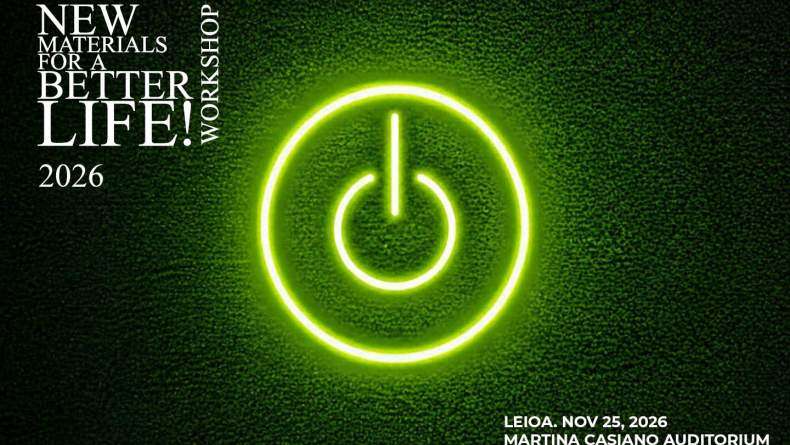
BCMaterialsen urteko workshopak trantsizio berderako katalisia jarriko du erdigunean
BCMaterials, Basque Center for Materials, Applications and Nanostructures zentroak, urteko workshoparen edizio berria egingo du: “New Materials for a Better Life”. 2026ko azaroaren 25ean, asteazkena…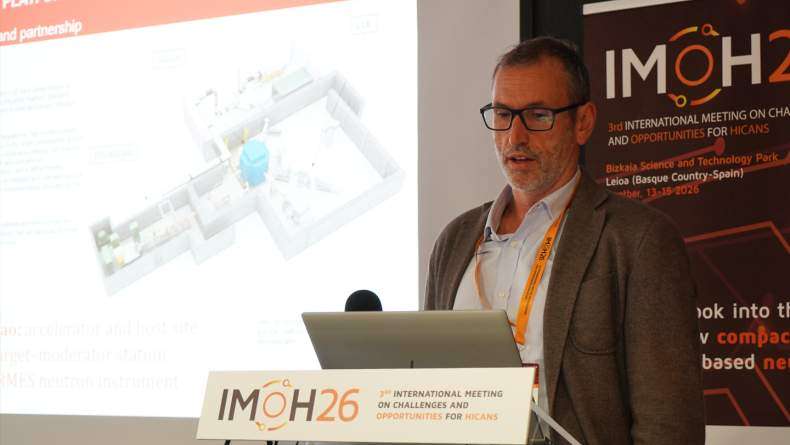
IMoH 2026-k neutroi-iturri trinkoen nazioarteko komunitatea bildu du BCMaterialsen
Neutroien zientziako ehun bat espezialista inguru, Europako eta Ipar Amerikako hamabi bat herrialdetatik etorriak, bildu ziren Leioan urriaren 13tik 15era, International Meeting on Challenges and…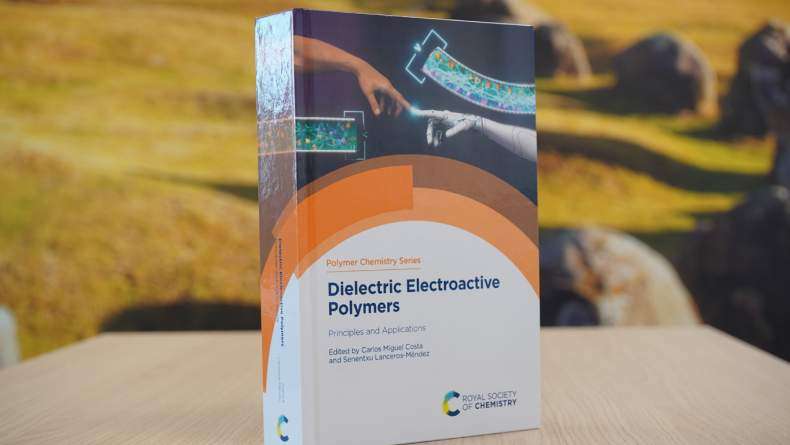
BCMaterials-en liburu berri batek polimero elektroaktibo dielektrikoen inguruan
Royal Society of Chemistry argitaletxeak “Dielectric Electroactive Polymers: Principles and Applications” liburua argitaratu du, Polymer Chemistry Series bildumaren barruan. BCMaterialseko zuzendari…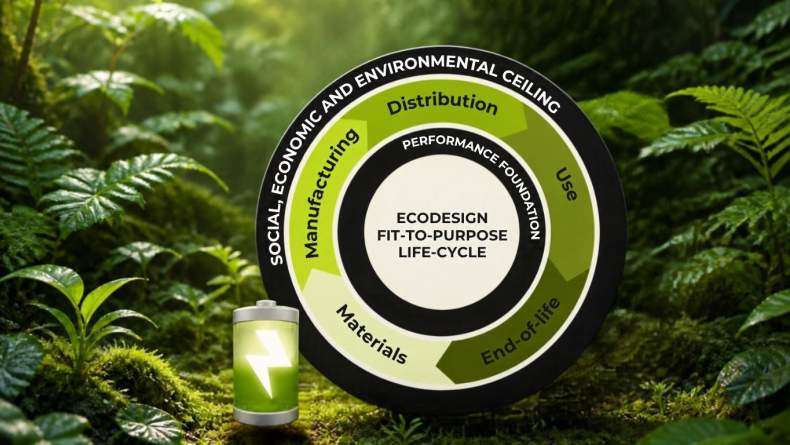
Artikulu berria Zientzia Kaieran: planetaren mugak errespetatzen dituzten bateria eramangarriak
Digitalizazioak gailuen bizitza baliagarria laburtu eta hondakin elektronikoak areagotu ditu: 53,6 milioi tona 2019an, Nazio Batuen arabera, eta 110 milioi tona aurreikusten dira 2050erako.…