
Guillermo Copello: Keratin Based Smart Hydrogels: Origin and functional nanocomposites

Keratin Based Smart Hydrogels: Origin and functional nanocomposites
Guillermo J. Copello1,2
1UBA, Fac. Farm y Bioqca., Depto de Qca. Analítica y Físicoquímica, CABA, Argentina
2Instituto de Química y Metabolismo del Fármaco (IQUIMEFA-UBA-CONICET), CABA, Argentina.
E-mail: gcopello@ffyb.uba.ar
Abstract The interest in the development of biopolymer-based materials is driven by the properties typically present in these polymers, such as biocompatibility, biodegradability and sometimes low cost, which lead to sustainability of the production process and high acceptability by producers, consumers regulatory authorities. Keratin-based hydrogels are also endowed with these properties and have been studied for a long time. Nevertheless, they are typically obtained by reduction/extraction methods which need an improvement regarding yield and environmental friendliness. With the aim to overcome these shortcomings, a greener method was developed. This method leads to a pH-responsive material that is shrunk at pH < 6 and swelled above this pH. The applicability of the keratin hydrogels was tested by obtaining nanocomposites which can be used for emerging contaminants water remediation and the obtaining antimicrobial wound dressings.
Bio Guillermo J. Copello is Adjunct Professor at the Faculty Facultad de Farmacia y Bioquímica of the Universidad de Buenos Aires and Researcher from the CONICET at the IQUIMEFA (Instituto de Química y Metabolismo del Fármaco). His research project embraces the blending of natural polymers and nanotechnology for the obtaining, characterization and application of sustainable materials.
Related news
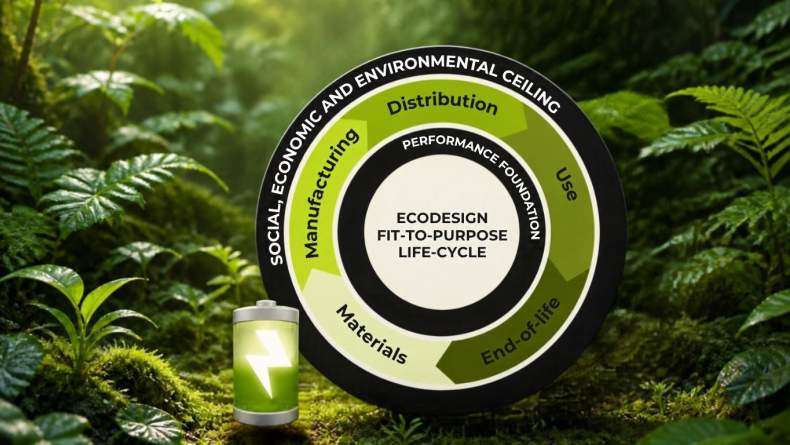
Nuevo artículo en Zientzia Kaiera: baterías portátiles respetuosas con los límites del planeta
La digitalización ha acortado la vida útil de los dispositivos y ha disparado los residuos electrónicos: 53,6 millones de toneladas en 2019, según Naciones Unidas, con una previsión de 110 millones...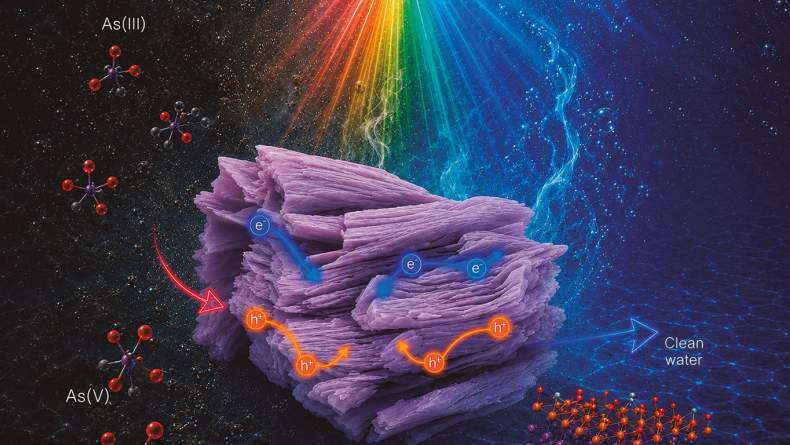
La investigación de BCMaterials, portada de Journal of Materials Chemistry A
Un estudio liderado por la investigadora de BCMaterials Maibelin Rosales, junto con Senentxu Lanceros-Méndez, Javier del Campo y Jorge Saiz, ha sido publicado en la revista Journal of Materials...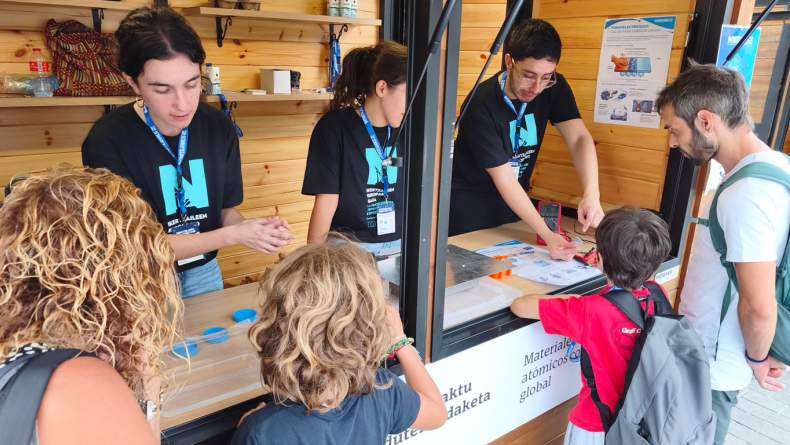
Ciencia y diversión en la Noche Europea de los Investigadores e Investigadoras de Bilbao
El pasado 25 de septiembre, BCMaterials participó en una nueva edición de la Noche Europea de los Investigadores e Investigadoras, organizada por la Universidad del País Vasco en El Arenal de Bilbao...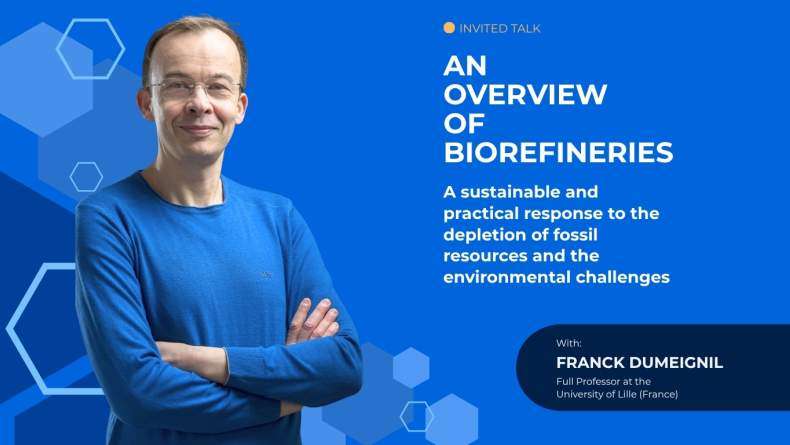
Charla invitada con Franck Dumeignil sobre biorrefinerías (1 de octubre)
El próximo jueves 1 de octubre, Franck Dumeignil, catedrático de la Universidad de Lille (Francia), presentará una charla invitada en BCMaterials titulada 'An Overview of Biorefineries'. La ponencia...