
Invited speakers at 5th Zing Bionanomaterials Conference

María Luisa Fernández-Gubieda is one of the invited speakers at 5th Zing Bionanomaterials Conference on April 26th (9:50) in Carvoeiro, Portugal.
Hyperthermia response and citotoxity studies of magnetite nanoparticles from Magnetospirillum gryphiswaldense
Magnetotactic bacteria are microorganisms that have the ability to align and navigate along the geomagnetic field lines due to the presence of a chain of magnetic nanoparticles covered by a lipid bilayer membrane, called magnetosomes. The type of magnetic nanoparticle, the shape and size of the magnetosomes depend on the species of magnetotactic bacteria. In particular, the bacterium Magnetospirillum gryphiswaldense MSR-1 produces magnetite, Fe3O4, cubo-octahedral shaped nanoparticles with an average size diameter of 45 nm and covered by a lipid bilayer membrane of around 2-4 nm [1]. These nanoparticles are single domain in ferrimagnetic regime, present high crystallinity and narrow size distribution, so they are especially interesting for biomedical applications especially in hyperthermia treatment. In this presentation, we will provide a detailed study of the mechanism of heat production by magnetosomes. We have measured the specific absorption rate (SAR) by AC magnetometer at selected frequencies and as a function of applied magnetic field, up to 30 kA/m. It is well known that for a ferrimagnet single domain nanoparticle two main mechanism are involved in the heating process. The first one it is due to the intrisic hysteresis losses of the ferrimagnet nanoparticle and the second one it is due to the physical rotation of the nanoparticle in a magnetic field, Brownian motion. In order to determine the role of each mechanism in the final SAR value, we compare the heating rates of the magnetosomes suspended in liquid medium, in which rotation of the magnetosomes must be taken into account and in gel where rotation is limited. The experimental data are compared with numerical calculations based on dynamic Stoner-Wolhfarth model. Finally, we have performed a citotoxicity study of the magnetosomes on macrophages cells. You can download the conference programme here.Related news
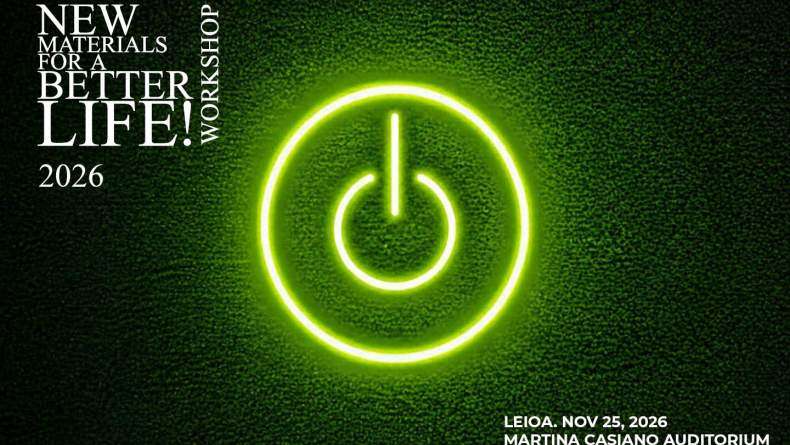
BCMaterialsen urteko workshopak trantsizio berderako katalisia jarriko du erdigunean
BCMaterials, Basque Center for Materials, Applications and Nanostructures zentroak, urteko workshoparen edizio berria egingo du: “New Materials for a Better Life”. 2026ko azaroaren 25ean, asteazkena…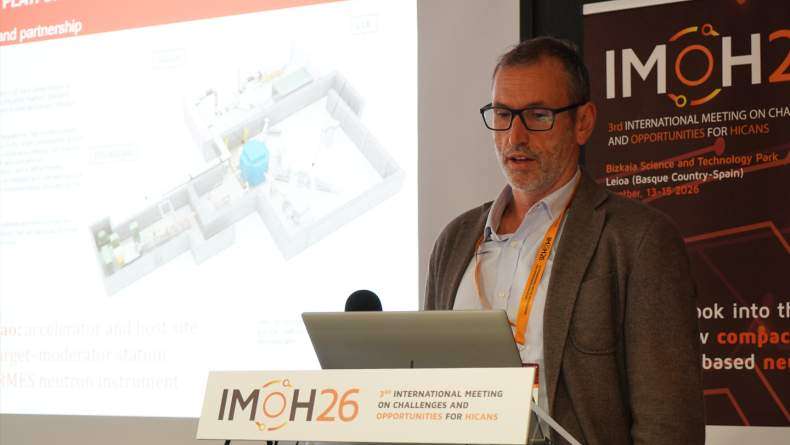
IMoH 2026-k neutroi-iturri trinkoen nazioarteko komunitatea bildu du BCMaterialsen
Neutroien zientziako ehun bat espezialista inguru, Europako eta Ipar Amerikako hamabi bat herrialdetatik etorriak, bildu ziren Leioan urriaren 13tik 15era, International Meeting on Challenges and…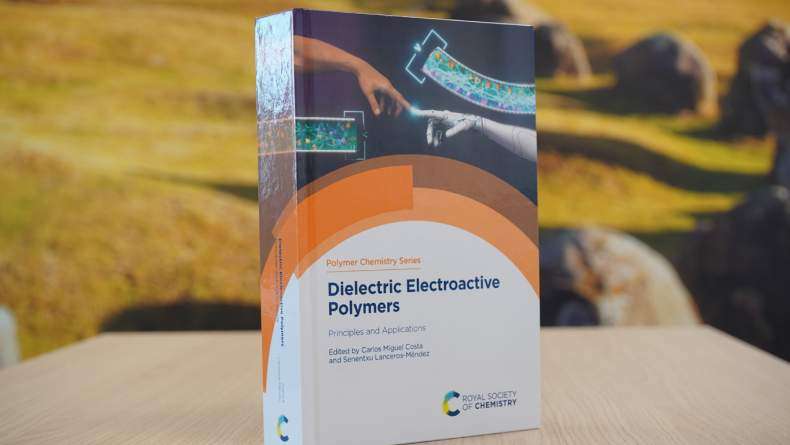
BCMaterials-en liburu berri batek polimero elektroaktibo dielektrikoen inguruan
Royal Society of Chemistry argitaletxeak “Dielectric Electroactive Polymers: Principles and Applications” liburua argitaratu du, Polymer Chemistry Series bildumaren barruan. BCMaterialseko zuzendari…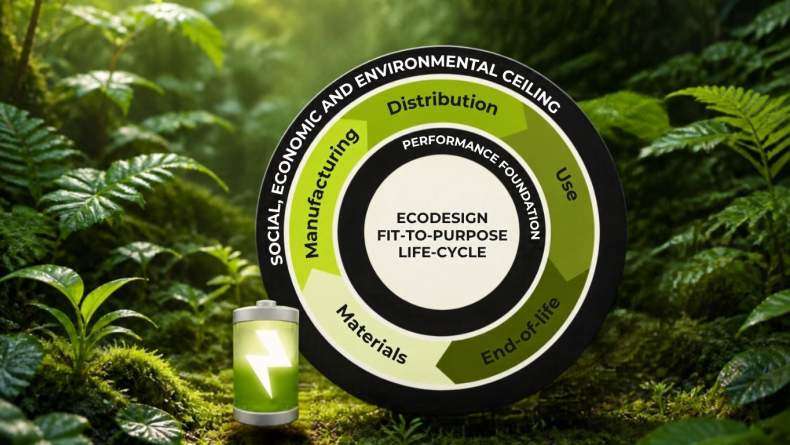
Artikulu berria Zientzia Kaieran: planetaren mugak errespetatzen dituzten bateria eramangarriak
Digitalizazioak gailuen bizitza baliagarria laburtu eta hondakin elektronikoak areagotu ditu: 53,6 milioi tona 2019an, Nazio Batuen arabera, eta 110 milioi tona aurreikusten dira 2050erako.…