
Fortnightly seminars online: Deciphering the impact of electrical charges on cell behaviour by Sara Martin & Integration of multifunctional materials in POC devices by Joseba Totoricaguena

Deciphering the impact of electrical charges on cell behaviour
Piezoelectric materials, that is materials that generate an electric current when mechanically loaded, are of interest for various applications, including biomedicine. In fact, electrical stimulation is known to regulate a number of physiologic processes, ranging from bone forming to endothelial cell homeostasis. For this reason, great attention is being directed to the analysis of the influence of piezoelectric polymers on the behaviour of cells with the aim of controlling specific responses related to cell proliferation, growth, migration and differentiation.
In this seminar, I will talk about PVDF as a selected piezoelectric substrate and discuss how it affects the behaviour of Natural Killers (NKs). These cells of the innate immune system have shown great potential for the treatment of tumors resistant to standard treatment, but their wide use in clinical practice is hampered by the difficulty of amplifying them in vitro. In this context, I will show results on NK cell proliferation, survival and surface marker expression analyzed by flow cytometry. Our results suggest that static NK culture on positively-poled PVDF renders increased NK cell number, pointing to its potential for the ex vivo amplification of this cell type. Finally, I will discuss the new steps of my research and future perspectives at BCMaterials.
Integration of multifunctional materials in POC devices
Point Of Care (POC) devices enable immediate diagnostics for a better evaluation, diagnostic, treatment of patients and optimization of clinical results. Most current POC devices require specific instrumentation, such as potentiostats or optical readers. One way to make more accessible PoC devices is to use mobile phones as wireless power supply and detection equipment, leading to a rapid, robust, equipment-free and user friendly analysis. In this seminar, I will briefly explain the general ideas of my PhD project. The main goal is to design, produce and characterize devices that rely on the mobile phone as instrumentation platform. Biosensor information will be obtained by the mobile phone as either an electrical or an optical signal. Next, I will present the work done in the first 4 months and, last, I will explain my future work.
The seminar will be online due to COVID restrictions.
https://teams.microsoft.com/l/meetup-join/19%3ameeting_YmNmOTU1ZGUtMTdiNS00OTQ4LTk1YTEtZjM3YmVhMTUyZmI5%40thread.v2/0?context=%7b%22Tid%22%3a%222f54ab68-83af-4d70-8895-a0d1e95ec899%22%2c%22Oid%22%3a%227778b4e1-e06d-485b-b530-cf013d4e9498%22%2c%22IsBroadcastMeeting%22%3atrue%7d
Related news
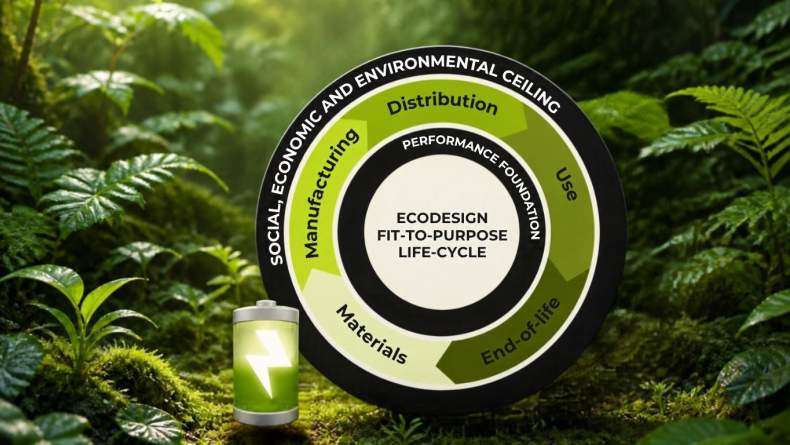
Nuevo artículo en Zientzia Kaiera: baterías portátiles respetuosas con los límites del planeta
La digitalización ha acortado la vida útil de los dispositivos y ha disparado los residuos electrónicos: 53,6 millones de toneladas en 2019, según Naciones Unidas, con una previsión de 110 millones...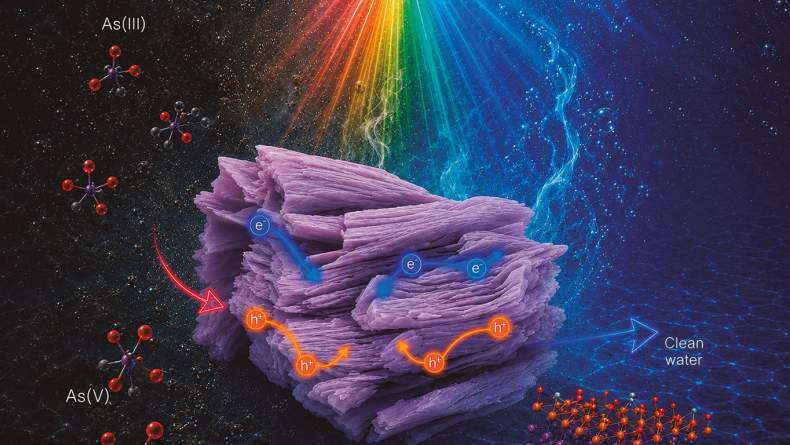
La investigación de BCMaterials, portada de Journal of Materials Chemistry A
Un estudio liderado por la investigadora de BCMaterials Maibelin Rosales, junto con Senentxu Lanceros-Méndez, Javier del Campo y Jorge Saiz, ha sido publicado en la revista Journal of Materials...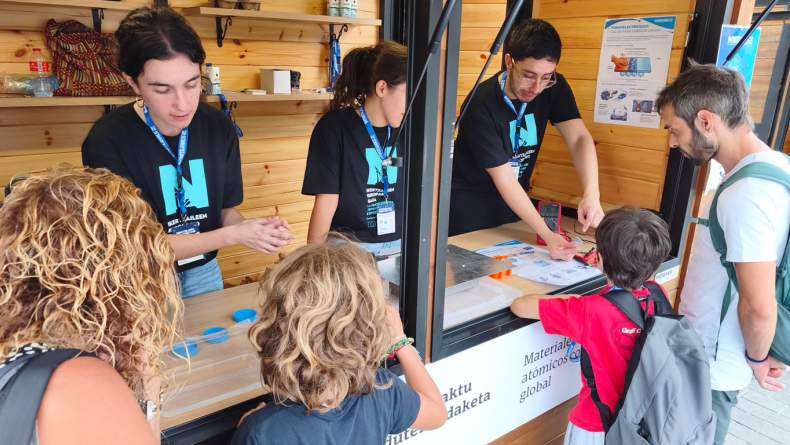
Ciencia y diversión en la Noche Europea de los Investigadores e Investigadoras de Bilbao
El pasado 25 de septiembre, BCMaterials participó en una nueva edición de la Noche Europea de los Investigadores e Investigadoras, organizada por la Universidad del País Vasco en El Arenal de Bilbao...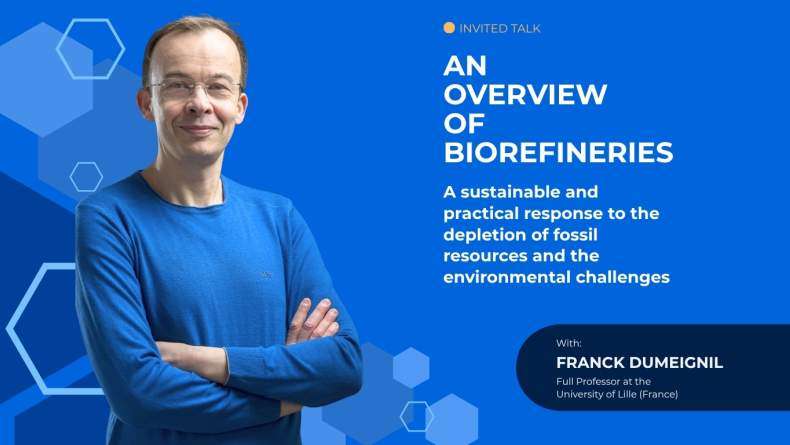
Charla invitada con Franck Dumeignil sobre biorrefinerías (1 de octubre)
El próximo jueves 1 de octubre, Franck Dumeignil, catedrático de la Universidad de Lille (Francia), presentará una charla invitada en BCMaterials titulada 'An Overview of Biorefineries'. La ponencia...